Quiet, Please: The Secret Power of Introverts in a World That Won’t Shut Up
Colour / Reading Time 4 mins Approx
Ever feel like the world rewards whoever talks the loudest while your brain quietly builds entire universes in the background? Welcome to introvert life — where silence is mistaken for weakness, alone time is treated like a personality flaw, and your ability to observe everything makes people slightly nervous. Here’s why being quiet might actually be your greatest superpower.
Ah, introverts.
The silent badasses who can make a room uncomfortable just by being there, no words needed.
You know the type:
The one who doesn’t talk much but watches.
Who’s always looking around like they’re one step ahead of you.
Like they’ve got the entire room figured out before you’ve even picked up on the vibe.
In a culture that loves the loud and celebrates the brash, introverts are like that eerie silence in horror movies right before all hell breaks loose.
If you think they’re just quiet, think again.
They’re carefully calculating,
Internally strategising and
Absorbing information like a sponge.
So if you’ve ever been told you need to be louder, bolder, or take up more space to be successful, grab a seat and hear this:
There’s some power in holding back, in letting silence be your sidekick, and in observing before acting.
Let’s break down why the world could use more of your quiet strength.
The Silent Strategists
Here’s the truth
Being quiet doesn’t mean you’re shy, scared, or invisible.
It means you’ve got your own way of doing things.
And it just doesn’t involve broadcasting every single thought.
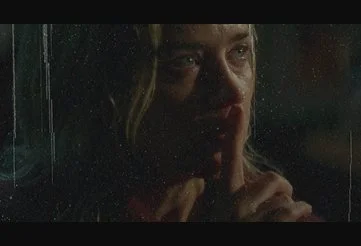
In horror films like A Quiet Place, the protagonists’ very survival depends on silence.
They live in a world where making any sound gets you killed, and instead of fighting it, they learn to adapt.
It’s not that they can’t speak - they choose not to because they understand the power of silence. And because, you know, survival.
Real-life introverts function a lot like this.
They don’t need to be the loudest in the room because they’re aware that they can observe and learn just as much by sitting back and paying attention.
Introverts have mastered the art of being strategic listeners.
They are the people who actually absorb information, process it, and apply it to their lives.
While everyone else is busy making noise, they’re
collecting data
understanding dynamics
figuring out the best way to move forward
You’ll rarely see an introvert make a hasty decision because they’ve got the full picture. Unlike the loudmouths who miss half the details.
If you’re an introvert, remember:
In a world where everyone’s trying to get noticed, silence stands out. Use it.
And let’s be honest… the loudest person in the room is rarely the wisest.
Sometimes they’re just the human equivalent of a smoke alarm with a LinkedIn account.
Introverts understand something most people don’t:
Power doesn’t always announce itself.
Sometimes it sits quietly in the corner gathering information while everyone else performs personality gymnastics for approval.
That’s why introverts often excel in leadership positions once they stop trying to imitate extroverts, that is.
They lead through:
observation
depth
preparation
precision.
They think before reacting.
They notice patterns others miss.
They don’t confuse volume with authority.
And in a world drowning in constant noise:
endless notifications
performative social media updates
podcasts telling you to optimise your morning banana consumption
Quiet people become psychologically dangerous in the best possible way.
Because they can still hear themselves think.
The Power of Reflection
Extroverts? They dive right in, talk it out, solve problems in real-time. God love them.
But introverts?
They think first, and that gives them a powerful edge in decision-making.
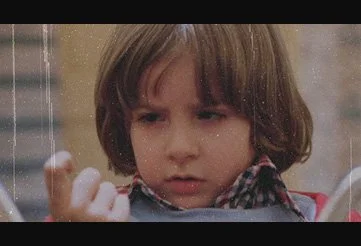
Think of Danny from The Shining - a kid with an ability to see things before they happen with a knack for picking up on the dark, hidden corners of the Overlook Hotel.
Danny doesn’t run around announcing everything he sees or knows.
Instead:
He reflects on it
Absorbing it all internally
Making sense of what’s happening before he decides what to do
Introverts have a similar superpower.
Their ability to reflect on experiences allows them to come up with creative, nuanced solutions.
They don’t take things at face value.
They look deeper.
Considering all angles before taking action.
In a world that rewards quick fixes and instant gratification, introverts bring patience, depth, and insight.
They may not have an immediate response to everything, but when they do respond, it’s with something that resonates on a whole different level.
This reflective approach isn’t just beneficial. It’s necessary. Especially in situations that require more than knee-jerk reactions.
Reflection is basically psychological night vision.
While everybody else is reacting emotionally in real-time, introverts often disappear into their internal haunted mansion for a while, wander the corridors of thought, accidentally trigger seventeen existential crises, and then emerge with an answer nobody else considered.
This is why introverts are often:
excellent writers
deep creatives
careful problem-solvers
emotionally perceptive
highly self-aware
They spend more time analysing reality instead of simply reacting to it.
Sure, occasionally this becomes overthinking.
Sometimes your brain turns into a cursed attic full of old conversations from 2009 that still wake up at 2AM demanding emotional attention.
But reflection also builds wisdom.
And wisdom is increasingly rare in a world obsessed with speed.
The Empathy Advantage
Let’s get one thing clear: introverts make amazing listeners.
When you’re not constantly waiting for your turn to speak, you learn how to really tune in to what others are saying.
This isn’t just about being polite. It’s a whole skill set that introverts wield like a weapon.
They’re the ones who can sense what you’re not saying.
Pick up on shifts in body language.
Understand what’s really going on beneath the surface.
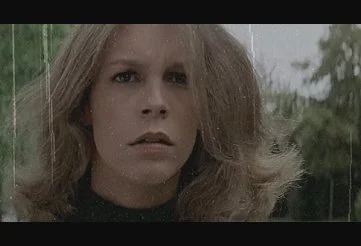
Horror icon and OG final girl Laurie Strode from Halloween taps into this quiet intuition.
While everyone else is oblivious to the threat lurking around them, Laurie’s hyper-aware of her surroundings and senses that something’s off.
She’s not the type to ignore those gut feelings.
And because of that, she survives.
This kind of intuitive empathy is common among introverts.
They might not be the life of the party, but they’re the ones you want in your corner when things go south.
Introverts can read people and situations with laser-sharp accuracy
knowing when to help
when to hold back
when to listen
Instead of trying to solve everything.
If you’re an introvert, your empathy and intuition are gifts. And they’re more powerful than any showy skill out there.
The downside? You also absorb energy like an emotionally haunted sponge.
Crowded rooms can feel exhausting because introverts are often processing everything:
tone changes
facial expressions
awkward tension
emotional undercurrents
passive aggression disguised as “banter”
Meanwhile extroverts are like: “Wow! Great vibes!”
And the introvert is standing there sensing three divorces, unresolved childhood trauma, and the fact someone in the kitchen is fake-laughing through emotional collapse.
This hyper-awareness can feel overwhelming.
But it also makes introverts incredibly compassionate people.
They notice suffering others miss.
They check in.
They care deeply.
They understand nuance.
In horror movies, the person who survives is rarely the one ignoring every warning sign while yelling “Let’s split up!”
It’s usually the observant one quietly noticing the blood trail everyone else stepped over.
Resilience in a World That Doesn’t Get Them
Introverts often face a lot of resistance just for being who they are.
Society loves the go-getter. The person who’s always on, forever social, constantly networking.
It’s as if we’ve decided that anyone who isn’t constantly “out there” must be missing out.
But introverts? They’ve been handling this misconception their whole lives, learning to operate in a world that often feels overwhelming and overstimulating.
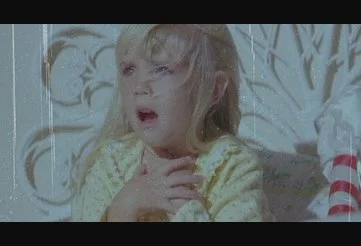
Much like Carol Anne in Poltergeist, introverts are often pulled into worlds they don’t quite fit into.
Carol Anne gets sucked into her bedroom closet, into a dimension she didn’t ask for.
But instead of giving up, she adapts, finds her own way to navigate, and ultimately survives.
Introverts are tough like that.
They’ve learned how to navigate extroverted spaces without losing their sense of self.
They’ve mastered the art of adapting without compromising.
Of surviving in places that don’t exactly cater to their strengths.
This resilience is a power all its own.
Introverts understand the value of self-reliance and have honed the skill of standing strong.
Even when the world isn’t quite designed for them.
And honestly?
Existing as an introvert sometimes feels like being a Victorian ghost accidentally trapped inside a nightclub.
“Come network!”
“Come mingle!”
“Why are you so quiet?”
“ARE YOU MAD AT US?”
No. We’re just trying to survive the psychological equivalent of 47 browser tabs being open simultaneously.
Introverts are constantly pressured to become more socially consumable versions of themselves.
More “on.”
More accessible.
More performative.
But there’s a difference between growth and self-erasure.
The goal is not to become louder.
The goal is to become more comfortable being fully yourself.
Creating with Depth and Purpose
Introverts are often the creative forces driving some of the most profound, thought-provoking work out there.
Their quiet allows them to delve deep:
unearthing ideas
perspectives
solutions that don’t come easily
They’re not just skimming the surface. They’re down there mining for gold, uncovering what others miss.
This kind of creativity doesn’t just spring up in a bustling brainstorm session.
It comes from long, solitary hours of thought, reflection, and tinkering with ideas until they’re just right.
The world of horror is full of introverted creativity.
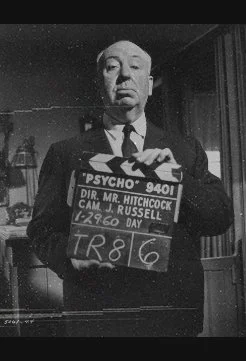
Think of director Alfred Hitchcock, who was known for his intense, quiet focus.
His films, like Psycho, weren’t loud or flashy.
They were unsettling. Subtle. Filled with tension that kept audiences glued to the screen.
Introverts bring a similar subtle brilliance to their work.
They don’t need to shout their ideas from the rooftops.
They just put out work so compelling, so thoughtful, that people can’t help but pay attention.
If you’re an introvert, your creativity is your superpower.
Don’t feel like you need to create like the extroverts.
Your best work comes from
going deep
getting personal
bringing your unique perspective to the table
Depth takes time.
That’s the part ‘hustle culture’ conveniently forgets.
You cannot create meaningful art, ideas, businesses, or personal breakthroughs while constantly being available to everyone all the time.
Silence is where connections form.
Stillness is where insight happens.
Solitude is often where reinvention begins.
There’s a reason horror creators understand atmosphere so well.
Atmosphere requires patience.
Observation.
Tension.
Subtlety.
Introverts naturally understand emotional texture because they spend so much time inside it.
The Power of Boundaries and Saying “No”
One of the best things about introverts?
They know how to say no.
They know their limits.
They understand the importance of boundaries.
They’re not afraid to draw a line.
Unlike extroverts, who might feel obligated to
be everywhere
do everything
please everyone
be constantly switched ‘on’
Introverts are selective.
They prioritise their peace, knowing that they don’t need to be everything for everyone.
Think of it this way… in a horror movie, it’s usually:
The characters who can’t say no
Those who follow the group
Those who ignore their instincts
… who end up in the worst situations.
But the introverted characters, the ones who make intentional choices, tend to fare better.
They’re the ones who know when it’s time to walk away.
Even if it makes them unpopular.
This ability to hold boundaries isn’t a weakness.
It’s a sign of self-respect and emotional intelligence.
An introvert saying “no” is basically spiritual self-defence.
And honestly? More people should try it.
Not every invitation deserves your energy.
Not every conversation deserves access to your nervous system.
Not every loud person deserves your attention simply because they demand it.
Sometimes protecting your peace is the most rebellious thing you can do.
Quiet People Terrify the Wrong People
Here’s an uncomfortable truth:
Some people get nervous around introverts because silence removes distraction.
Quiet people notice things.
They notice inconsistencies.
They notice manipulation.
They notice when someone’s personality is held together entirely by volume and confidence.
That’s why introverts sometimes get labelled:
intimidating
mysterious
“hard to read”
aloof
intense
But often what unsettles people is simply the absence of constant performance.
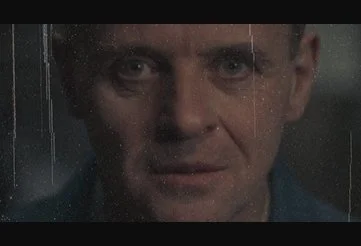
In horror films like The Silence of the Lambs, Hannibal Lecter is terrifying partly because he observes so carefully.
(Now, to be clear, I’m not suggesting introverts become cannibal psychiatrists. Let’s aim a little lower.)
But the point remains:
Observation is powerful.
Quietness forces people to confront themselves.
And many people would honestly rather wrestle a demon than sit alone with their own thoughts for ten minutes.
Final Thoughts: Embrace the Quiet
In a society that glorifies the extroverted ideal, it’s easy to feel like being an introvert is a disadvantage.
But that couldn’t be further from the truth.
Introverts bring a depth, a focus, and a sensitivity that the world desperately needs.
While everyone else is making noise
you’re the one in the background
seeing things others miss
making sense of chaos
keeping your own counsel
So don’t let anyone convince you that you need to be louder, bolder, or “more out there” to be valuable.
Your power lies in your ability to
listen
observe
understand deeply
The quiet is where your strength lies.
Embrace it.
Because when everyone else is screaming, it’s your silence that makes you unstoppable.
Maybe the real horror story isn’t being quiet.
Maybe it’s living in a world so terrified of silence that nobody notices they’ve lost the ability to hear themselves anymore.
Spent years trying to become a louder version of yourself?
Maybe the problem was never who you are. Maybe it was the pressure to be someone else.
This Doesn’t Feel Like Me helps you reconnect with your natural strengths, stop performing for everyone else, and figure out who you are beneath all the noise.


IN ODD WE TRUST Presents
A FIELD NOTES FROM THE DARK Production
Starring YOU, the protagonist in your own psychological thriller
Produced by A LIFETIME OF QUESTIONABLE DECISIONS
Directed by EXISTENTIAL DREAD Story by THAT VOICE IN YOUR HEAD AT 3AM
Costume Design THE QUIET ONES TEE Music by DISSONANT SYNTH and REGRET
Feeling seen? You Belong with us, Join THE CULT OF ODD Your backstage pass to PSYCHOLOGICAL
SURVIVAL GUIDES, HORROR COPING RITUALS and EMOTIONALLY UNSTABLE T-SHIRTS