Everything Feels Like an Emergency (It’s Not): How Your Brain Is Gaslighting You Into Panic Mode
Colour / Reading Time 6 mins Approx
Nothing is technically wrong. No one is chasing you. There’s no immediate danger. And yet… Your chest is tight. Your brain is loud. Everything feels like it needs to be done right now or something bad will happen. Welcome to the quietest, most convincing psychological horror you’ll ever experience: A life where everything feels urgent… even when it isn’t.
Let’s get something straight.
You don’t have a time management problem.
You’re not lazy.
You’re not disorganised.
You’re not “just stressed.”
You’re stuck in a false emergency loop.
And it’s convincing as hell. Because it doesn’t show up as panic attacks or breakdowns.
It shows up as:
constantly checking your phone
feeling like you’re always behind
rushing through everything
never fully relaxing
It feels productive.
But it’s not.
It’s survival mode wearing a productivity mask.
Because when everything feels urgent, your brain doesn’t stop to ask: “Is this actually important?”
It just screams: “DO SOMETHING. NOW.”
The Problem Isn’t Your Life - It’s Your Nervous System
You’ve probably told yourself:
“I just need to get more organised”
“I need to be more disciplined”
“I need to stop procrastinating”
No.
You need to stop treating your entire life like it’s on fire.
Because here’s what’s actually happening… Your nervous system doesn’t know the difference between:
a real threat
and a perceived one
So your inbox?
Your to-do list?
That unread message?
That thing you might be forgetting?
Your brain treats it all like: Immediate danger.
It’s giving A Quiet Place energy.

Not because something is attacking you… But because it feels like it could at any second.
Anxiety doesn’t always come from something being wrong.
It comes from your brain mislabeling discomfort as danger.
So you stay hyper-aware.
Hyper-responsive.
Hyper-stressed.
All the damn time.
The Halloween Effect: Constant Threat, No Attack
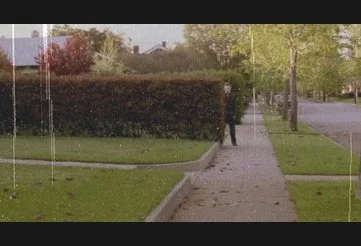
Think about Halloween for a minute.
What makes it terrifying isn’t constant action.
It’s the feeling that something is always there.
Watching.
Waiting.
Just out of sight.
Most of the film?
Nothing is actually happening.
But the tension never leaves.
That’s your brain on false urgency.
You’re not reacting to something happening.
You’re reacting to the possibility that something might.
So you stay:
alert
tense
ready
Even when there’s nothing to respond to.
The False Urgency Trap
False urgency sounds like:
“I need to reply right now”
“I should have done this already”
“If I don’t do this today, everything will fall apart”
“I can’t relax until everything is done”
Spoiler: Everything is never done.
So what happens?
You stay in a constant loop of:
starting things
rushing things
abandoning things
stressing about things
And never actually feeling finished.
It’s like being stuck in Final Destination.

You keep trying to outrun something…
…but you don’t even know what it is.
Your Brain Is Running a False Alarm System
Your nervous system has one job: To keep you alive.
So it scans constantly for threats.
But here’s the problem: It hasn’t updated its definition of “danger.”
So now, “danger” includes:
unanswered emails
unread messages
unfinished tasks
uncertainty
silence
waiting
Which means your brain is basically saying: “We might be in danger… better act like we are.”
All. The. Time.
This isn’t random. It’s learned.
At some point, your brain decided: “The safest way to survive is to stay on high alert.”
Maybe you:
grew up in unpredictable environments
were rewarded for being productive
learned that slowing down = falling behind
experienced stress that never properly resolved
So your brain adapted.
And now?
Calm feels unsafe.
Stillness feels suspicious.
Rest feels… wrong.
Because your system is wired for: “What’s next? What’s next? What’s next?”
You’re Reacting to Signals - Not Reality
This is the shift most people never make.
You think you’re reacting to your life.
You’re not.
You’re reacting to:
internal pressure
perceived expectations
imagined consequences
Your brain sends a signal: “This matters. This is urgent.”
And instead of questioning it…
You obey it.
Immediately.
You’re Not Behind - You’re Overstimulated
Let’s talk about one of the biggest lies driving urgency: “I’m behind.”
Behind who?
Behind what timeline?
Behind what invisible standard you never agreed to?
Urgency thrives on this illusion.
Because if you believe you’re behind…
Everything feels like it needs to be done faster.
So let’s kill a lie real quick:
You’re not behind in life.
You’re overwhelmed by input.
Think about it:
notifications
emails
social media
constant information
endless options
Your brain was not designed for this level of stimulation.
So it does what it can: It treats everything as equally important.
Which means: Everything feels urgent.
When Calm Feels Like a Threat
Here’s the part that messes with people.
You finally get a moment to relax…
…and instead of enjoying it?
Your brain goes:
“You should be doing something”
“This is a waste of time”
“You’re falling behind right now”
“You’re missing something”
So you pick up your phone.
Start another task.
Create another problem.
Find something to fix.
You distract yourself.
Because doing something feels safer than doing nothing.
Because being calm feels unfamiliar. And unfamiliar feels unsafe.
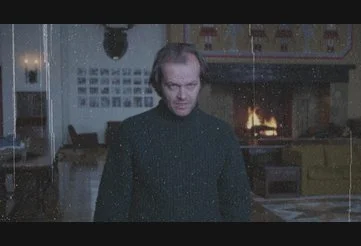
It’s like living in The Shining.
Nothing is happening…
…but it feels like something is about to.
So you stay tense.
Waiting.
Anticipating.
The Cost of Living in “Everything Is Urgent” Mode
Let’s talk consequences.
Because this isn’t just uncomfortable.
It’s destructive.
When everything feels urgent:
you can’t prioritise
you can’t think clearly
you burn out faster
you lose trust in yourself
you feel constantly behind (even when you’re not)
And worst of all?
You stop enjoying your life.
Because you’re never in it.You’re too busy always chasing the next thing.
The Addiction to Urgency
Let’s call it what it is.
You can get addicted to urgency.
Not because you enjoy it.
But because it gives you:
a sense of control
a sense of purpose
a distraction from uncertainty
When everything feels urgent… you don’t have to sit with discomfort.
You just react.
Move.
Do.
Fix.
Repeat.
Why Productivity Advice Doesn’t Work for This
You’ve probably tried:
better planning
stricter schedules
productivity hacks
And maybe they helped… briefly.
But the urgency came back, because…
The problem isn’t your system.
It’s your state.
You’re trying to organise your life…
While your brain thinks you’re in danger.
Urgency Is Not the Same as Importance
This is the shift that changes everything.
Urgency is loud.
Importance is quiet.
Urgency screams: “NOW. DO THIS. FIX THIS.”
Importance says: “This matters… when you have space.”
When you live in urgency mode?
You lose access to importance.
Everything becomes:
equally loud
equally stressful
equally demanding
So you spend your life reacting…
This isn’t harmless.
It slowly rewires how you experience your life.
You:
stop feeling present
stop enjoying downtime
stop trusting your decisions
stop feeling in control
Because everything feels like it’s happening to you.
Instead of being something you’re choosing.
Instead of actually building a life.
How to Break the False Emergency Loop
Not by becoming more productive.
By becoming more intentional.
1. Pause Before You React
Every time something feels urgent…
Ask: “Is this actually time-sensitive… or does it just feel that way?”
That one question? Creates space.
And space breaks the loop.
2. Delay the Reaction
You don’t need to respond instantly.
Try:
waiting 5-10 minutes
finishing what you’re doing first
choosing when to engage
Watch what happens.
The urgency drops.
You’re retraining your brain to understand: Not everything is an emergency.
3. Separate “Feels Urgent” from “Is Urgent”
Your feelings are signals.
Not commands.
Label the feeling.
Say it clearly and make it a rule:
Just because it feels urgent
doesn’t mean it is.
When you do this, you’re separating signal from reality.
4. Create Artificial Calm
You won’t accidentally feel calm. You have to create it.
Deliberately slow something down:
slow down your movements
take deeper breaths
reduce input
sit still (yes, even if it feels weird)
Less:
scrolling
notifications
noise
More:
silence
space
nothing
Because urgency feeds on stimulation.
This tells your nervous system: “We are not in danger.”
At first? It will feel uncomfortable.
Good. That means you’re interrupting the pattern.
What Life Feels Like Outside Panic Mode
At first?
It feels uncomfortable.
Too quiet.
Too slow.
Too… empty.
But then something shifts.
You start to:
think more clearly
make better decisions
feel less reactive
actually finish things
enjoy your time again
And most importantly?
You stop feeling like you’re constantly about to fall behind.
The Reality Check You Might Need
If everything feels urgent… know this.
Nothing actually is.
Because real urgency is rare.
Life-threatening.
Time-critical.
Non-negotiable.
Everything else? Can wait.
Even if your brain says it can’t.
Final Thoughts: This Is Not an Emergency
Right now.
Pause.
Look around.
Nothing is chasing you.
Nothing is collapsing.
Nothing needs to be solved this second.
You’re not in danger.
You’re in a pattern.
And patterns can be broken.
If this hit a little too close to home…
Then you don’t need another productivity hack.
You need a way to switch off the false alarm.
“This Is Not an Emergency” is your reset button.


IN ODD WE TRUST Presents
A FIELD NOTES FROM THE DARK Production
Starring YOU, the protagonist in your own psychological thriller
Produced by A LIFETIME OF QUESTIONABLE DECISIONS
Directed by EXISTENTIAL DREAD Story by THAT VOICE IN YOUR HEAD AT 3AM
Costume Design WELCOME TO MY NIGHTMARE TEE Music by DISSONANT SYNTH and REGRET
Feeling seen? You Belong with us, Join THE CULT OF ODD Your backstage pass to PSYCHOLOGICAL
SURVIVAL GUIDES, HORROR COPING RITUALS and EMOTIONALLY UNSTABLE T-SHIRTS