Colour / Reading Time 8 mins Approx
You’ve been here before. Not in a vague “this feels familiar” kind of way — In the exact same conversation, same mistake, same ending kind of way. Different day. Different face. Same outcome. And the worst part? You knew. You saw it coming… and still walked straight into it.
It starts innocently enough.
One small habit.
One automatic reaction.
One “I’ll just do what I always do” moment.
And then it happens again.
And again.
And again.
Until one day, it hits you:
You’re not choosing your life anymore.
You’re repeating it.
Same decisions.
Same reactions.
Same outcomes.
Like you’re trapped in some low-budget psychological horror where the plot never moves forward and the main character — you — is starting to look a little too comfortable with the chaos.
Your life becomes a rerun of a show you don’t even like anymore…
…but you’re too tired (or too scared) to reach for the remote.
Sound familiar?
You already know your comfort zone is the trap. What you might not realise is what’s keeping you going back to it…
The Ghosts You Keep Entertaining
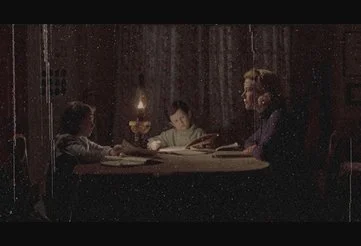
Old patterns are like the ghosts in The Others.
They don’t know they’re dead.
And they will keep haunting your house until you finally call them out.
They live in:
your automatic reactions
your default choices
your “this is just how I am” beliefs
They linger in the corners of your mind:
limiting beliefs
knee-jerk responses
outdated coping mechanisms
And they whisper:
“This always happens.”
“This is who you are.”
“This is how it always goes.”
“This is all you can be.”
And the longer you listen, the more real they feel.
But here’s the truth they don’t want you to realise:
They’re not you. They’re just familiar.
You’re Not Stuck. You’re Scripted.
Let’s upgrade the language here.
You’re not stuck.
You’re running a script.
And scripts are predictable.
They don’t adapt.
They don’t question themselves.
They don’t evolve.
They just… play.
Until someone rewrites them.
Zombie Mode: When You’re Alive… But Not Actually Choosing
Let’s call it what it really is.
You’re not just repeating patterns.
You’re on autopilot.
Wake up.
Same thoughts.
Same reactions.
Same decisions.
Different day. Same execution.
It’s not dramatic. It’s not obvious. It’s just… automatic.
And that’s what makes it dangerous.
Because when you’re in it, it doesn’t feel like a problem.
It feels like life.
This is what “zombie mode” actually looks like. Not flesh-eating chaos, but a slow, unconscious drift through your own routines.
Doing what you’ve always done.
Thinking what you’ve always thought.
Ending up exactly where you were yesterday.
It’s giving Night of the Living Dead energy - not because of the violence, but because of the lack of awareness.
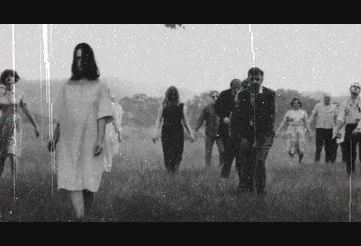
The movement is slow, almost ordinary… until you realise there’s no real decision-making happening at all.
The infected don’t choose. They react. Instinctively. Automatically.
And that’s the part that should hit.
Because when you’re stuck in a pattern, you’re not fully choosing your life either.
You’re reacting:
based on old conditioning
based on past versions of you
based on habits that no longer make sense
You think you’re making decisions.
But really?
You’re just following instructions your past wrote for you.
Why You Keep Repeating the Same Patterns (Even When You Know Better)
Let’s clear something up: You’re not stuck because you’re weak.
You’re not lacking discipline.
You’re not lazy.
You’re not broken.
You’re stuck because your brain loves a shortcut.
Patterns = efficiency.
Your brain builds them so you don’t have to think every time you act.
The problem? It doesn’t care if the pattern is helpful.
Only that it’s familiar.
1. Familiarity Feels Like Identity
Humans cling to what they recognise — even when it’s dysfunctional.
It’s why people stay in situations that clearly aren’t working or that they know are wrong for them.
Because at least it’s predictable.
It’s like every horror protagonist who refuses to leave the haunted house. Sure, the walls bleed. But hey — you know where the bathroom is.
2. Your Brain Is Running Old Code
Most of your patterns were created years ago.
Different version of you.
Different circumstances.
Different level of awareness.
But your brain?
Still running the same script.
So when something happens now, it pulls from an outdated playbook.
And suddenly:
you shut down
you overreact
you self-sabotage
you retreat
Not because it makes sense.
Because it’s what you’ve always done.
3. Awareness Without Action Changes Nothing
Here’s where it gets uncomfortable:
You probably already know some of your patterns.
You’ve noticed them.
Maybe even joked about them.
“I always do this.”
“This is so me.”
“Classic.”
But awareness alone doesn’t break a loop.
It just makes you more conscious while you’re repeating it.
Which is arguably worse.
4. Your Brain Loves Predictable Pain
Here’s a twisted little truth:
Your brain will choose familiar discomfort over unfamiliar possibility.
Every. Single. Time.
Because predictable pain feels controllable.
And control feels safe.
Even if it’s quietly ruining your life.
The Horror of Holding On
Let’s talk about what happens when you don’t break the pattern.
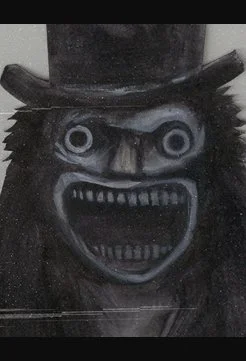
Take The Babadook. The monster isn’t just a creepy top-hat-wearing nightmare. It’s grief. Unprocessed. Ignored. Avoided. And the longer it’s left alone? The stronger it gets.
More invasive. More controlling. More impossible to ignore.
That’s exactly what your patterns do.
Ignore them, and they:
dig deeper
get louder
take over more of your life
Until one day, you realise, you’re not reacting to life. You’re reacting to your past.
You’re operating entirely on autopilot.
And you barely recognise yourself anymore.
How Patterns Quietly Run Your Entire Life
This isn’t just about habits.
This is about:
who you date
how you handle conflict
what opportunities you go for (or avoid)
how you see yourself
Patterns decide:
whether you speak up or stay silent
whether you go for it or hold back
whether you grow… or stay exactly where you are
You say you want change.
But then:
You get close to something new → you pull back
You feel uncertain → you default to what you know
You get hurt → you repeat the same coping mechanism
You see an opportunity → you overthink it into oblivion
Different horror movie. Same ending.
It’s basically Shaun of the Dead - except instead of zombies outside your house, it’s habits inside your head.
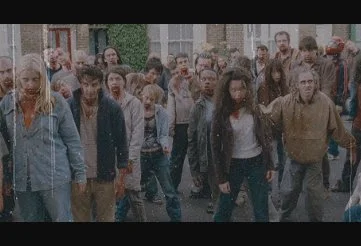
Same routine.
Same reactions.
Same unconscious shuffle through your day.
Except this time, no one’s coming to snap you out of it.
And here’s the uncomfortable question:
If nothing changes… Are you okay living this same year over and over again?
In 5 or 10 years time what would your life look like if nothing changes? The same?
Because that’s what patterns do.
They don’t ruin your life overnight.
They repeat it until you forget it could be different.
Recognising the Loop (Before It Pulls You Back In)
You can’t break a pattern you refuse to see.
So here’s where you start:
1. Look for Repetition
Where does your life feel like déjà vu?
Same type of relationships
Same arguments
Same outcomes
Same old conversations with the same people
Different details. Same ending.
That’s not coincidence.
That’s a pattern.
That’s repetition.
2. Track Your Triggers
Patterns don’t appear randomly.
They’re triggered.
Pay attention to moments where you:
feel rejected
feel criticised
feel uncertain
feel out of control
What do you automatically do next?
That’s your loop activating.
There’s always a split second. Right before you:
shut down
lash out
avoid
overthink
That moment? That’s your exit.
Miss it — and you’re back in the loop.
3. Pay Attention to Your Inner Narrative
That voice in your head?
The one that says:
“This always happens”
“I knew this would go wrong”
“I’m just not that kind of person”
“I had no choice.”
“That’s how I am.”
No. That’s not truth.
That’s programming. That’s how the pattern stays alive.
Breaking the Curse (Without Becoming a Completely Different Person)
Breaking patterns isn’t about reinventing yourself or becoming someone else.
It’s about interrupting what no longer serves you.
It’s becoming someone more intentional.
And yes — it’s uncomfortable.
Because you’re going against something your brain has rehearsed hundreds of times.
But here’s how you start:
1. Name the Pattern
Like in Candyman — you can’t confront what you refuse to name.
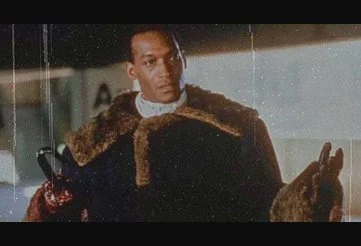
Say it clearly:
“I avoid opportunities when I might fail.”
“I shut down when things get emotional.”
“I chase validation from people who don’t value me.”
Clarity removes its hiding place.
2. Interrupt the Automatic Response
You don’t need a perfect new strategy.
You just need to not do the usual thing.
Pause.
Delay.
Choose differently — even slightly.
That moment? That’s where the pattern breaks.
Different is enough to break the loop.
3. Replace — Don’t Just Remove
You can’t leave a gap.
If you stop a behaviour, your brain will fill it with the old one unless you give it something else.
Old:
overthinking
avoiding
self-criticising
New:
taking one small action
asking one question
choosing one different response
4. Expect Resistance (and Do It Anyway)
This is the part no one prepares you for.
When you don’t follow the pattern? It feels wrong.
Unnatural. Exposed. Uncomfortable.
Your brain will protest.
It will say:
“Fix it. Go back.”
“This isn’t you.”
“This isn’t safe.”
“This is a mistake.”
That’s not intuition.
That’s the pattern trying to survive.
Stay in the discomfort. That’s the moment everything changes.
The Identity Glitch (Why Change Feels So Wrong at First)
Let’s talk about the part that messes with people the most.
Breaking patterns doesn’t just change your behaviour. It glitches your identity.
Because your brain has a version of you it’s used to.
Predictable. Consistent. Familiar.
And the second you act differently? It goes: “Wait. That’s not who we are.”
So it tries to correct you.
Push you back.
Reinforce the old version.
This is why change feels fake at first.
Not because it’s wrong.
Because it’s new.
The Identity Shift No One Talks About
Breaking patterns isn’t just behavioural.
You’ve repeated something enough times that it feels like identity.
It’s identity-level.
And identity is flexible and can be changed. It’s built on repetition.
So every time you act differently, you’re telling your brain: “That’s not who I am anymore.”
And at first? It will feel fake. Forced. Unnatural.
Good.
That means it’s new.
Rewriting the Script
Right now, your life is being shaped by repetition.
But it doesn’t have to stay that way.
Take Coraline.
The “Other World” looks better at first — easier, more appealing, more comfortable.
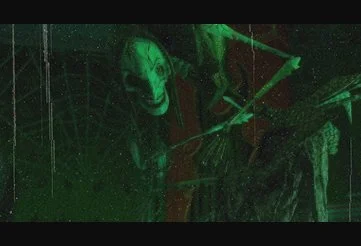
But it’s a trap built on illusion.
And the only way out? Is to see it for what it is — and choose differently.
That’s what you’re doing here.
Seeing it.
Naming it.
Refusing to keep playing along.
Another Reality Check (Because Maybe You Need One)
If nothing changes…
Nothing changes.
Not eventually. Not magically. Not “when the time is right.”
Patterns don’t expire. They repeat.
What Happens When You Break the Loop
At first?
It’s subtle, so probably not much.
It won’t feel like a dramatic transformation or instant life upgrade.
Just:
a pause where there used to be reaction
a choice where there used to be default
small wins that don’t seem like much
But over time?
Those small interruptions become:
new habits and behaviours
new standards
a completely different life trajectory
Because change doesn’t come from one big decision or one big breakthrough.
It comes from breaking the loop or the pattern every time it shows up.
The Life Waiting Outside the Loop
Here’s what’s on the other side:
different outcomes
better decisions
a version of you that doesn’t feel stuck in repeat mode
Not because life suddenly got easier.
But because you stopped defaulting to what was familiar.
Final Thoughts: You’re Not Stuck — You’re Repeating
Let’s end this where it matters:
You’re not broken.
You’re not incapable.
You’re not doomed to stay like this.
You’re just looping.
And loops can be broken.
Not all at once.
Not perfectly.
But deliberately, one interruption at a time.
So the next time you feel it happening — the same reaction, the same urge, the same script starting to play…
Pause.
And choose something different.
Because that one moment?
That’s where your new life begins.
DID THIS ONE SPEAK TO YOU? HEART IT.
Numbness doesn’t always arrive dramatically.
Sometimes it happens quietly — one disconnected day at a time.
“This Doesn’t Feel Like Me” is a guide for people trying to reconnect with themselves
before autopilot becomes permanent.


IN ODD WE TRUST Presents
A FIELD NOTES FROM THE DARK Production
Starring YOU, the protagonist in your own psychological thriller
Produced by A LIFETIME OF QUESTIONABLE DECISIONS
Directed by EXISTENTIAL DREAD Story by THAT VOICE IN YOUR HEAD AT 3AM
Costume Design WELCOME TO MY NIGHTMARE TEE Music by DISSONANT SYNTH and REGRET
Feeling seen? You Belong with us, Join THE CULT OF ODD Your backstage pass to PSYCHOLOGICAL
SURVIVAL GUIDES, HORROR COPING RITUALS and EMOTIONALLY UNSTABLE T-SHIRTS