Survival Mode: The Psychological Horror Movie You’re Silently Living in…and Can’t Switch Off

Colour / Reading Time 7.5 mins Approx
You know that moment in horror movies — the one where the character is on high alert, adrenaline pumping, eyes darting around, waiting for the next jump scare? Yeah. That’s your life right now. Only instead of a masked killer or a haunted doll, your “monster” is… everything.
Bills. Deadlines. A job you tolerate at best. A breakup you’re still pretending you’re over. Or just existing in a world that feels like it’s constantly one bad headline away from collapsing.
It’s the psychological equivalent of being trapped in The Texas Chainsaw Massacre. And no — you don’t get to be the one holding the chainsaw.

But here’s the thing: You’re not meant to live in survival mode forever.
The problem is, when you’ve been stuck there long enough, your brain gets used to the chaos. Like a horror movie that never ends, you can forget what it feels like to take a deep breath and relax.
So let’s talk about what’s going on behind this mess, how it’s screwing with your life, and how to get the hell out of it.
The Trap of Survival Mode: Your Brain on Horror Movie Overdrive
Let’s break this down.
Survival mode is what happens when your brain’s fight, flight, or freeze response gets stuck in the “ON” position.
This response is a built-in feature of your nervous system — one that’s meant to help you deal with immediate danger. And it’s supposed to be temporary.

Like, say, if you were being chased by Ghostface from Scream. Your heart races, your senses sharpen, and you’re ready to either fight off the killer or run for your life.
You encounter a threat → your body reacts → the threat passes → you calm down.
Simple. Efficient. Keeps you alive.
But modern life? Modern life doesn’t come with clear endings. There’s no final scene. No resolution. No moment where the music fades out and you realise you made it.
Your brain doesn’t know the difference between Ghostface and, say, your toxic boss.
It just knows stress. So every time you’re confronted with something that feels like a threat, your brain sounds the alarm.
Instead, it’s like being chased by Ghostface — except instead of a knife, it’s holding:
your inbox
your responsibilities
your unresolved stress
And your brain? It doesn’t know the difference. It just knows: threat detected.
And when that alarm stays on too long, though? It’s like being stuck in the final 10 minutes of a horror movie — forever.
The Science of Survival Mode (Or: Why You Feel Like You’re About to Snap Over Nothing)
Let’s talk about the real villain here: cortisol. Cortisol is your body’s stress hormone.
In small doses, it’s useful:
helps you meet deadlines
keeps you alert
gives you energy in high-pressure situations
But when you’re stuck in survival mode? Cortisol isn’t coming in small doses. It’s flooding your system like a low-budget horror sequel that refuses to end. You’re not just reacting to stress. You’re marinating in it. 24/7.
Which is why:
you feel wired but exhausted
small things feel massive
your patience is… gone
This isn’t you being dramatic. This is your nervous system being completely overworked.
Ever felt like you’re just one inconvenience away from losing it in a Tesco car park? That’s survival mode in action.
It keeps you in a state of hyper-awareness, which can lead to burnout, anxiety, depression, and a sense that no matter what you do, you’re never really safe.
It’s like living in a perpetual horror film where the killer never goes away. You’re always bracing for impact.
The Symptoms No One Explains Properly (But You’re Definitely Experiencing)
Let’s make this painfully obvious.
1. You Feel Anxious… Even When Nothing’s Wrong
You’re sitting there. Nothing bad is happening. And yet:
your chest is tight
your brain is scanning
your body feels like it’s waiting for impact
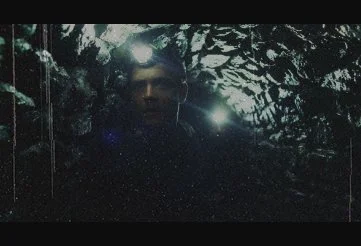
It’s like living inside Kill List — you don’t fully understand what’s wrong, but something feels off the entire time.
2. You’re Constantly Waiting for the Next Thing to Go Wrong
You can’t relax because your brain is like: “Don’t get too comfortable. Something’s coming.”
So even when things are fine… you’re not.
3. You Overreact, Then Immediately Regret It
Something small happens.
A message gets misinterpreted.
Plans change.
Someone says something slightly off.
And suddenly:
your brain spirals
your emotions spike
you’re mentally writing your villain origin story
Then later? You’re like: “Why did I react like that?”
Answer: survival mode.
4. You Can’t Switch Off (Even When You’re Exhausted)

You finally sit down to relax. And your brain goes: “Cool. Let’s think about everything that could go wrong.”
So you:
scroll
overthink
replay conversations from 2007
It’s like trying to sleep after watching Host alone in the dark.
Technically, you’re safe. But your brain isn’t convinced.
5. You Feel “Lazy”… But You’re Actually Just Burnt Out
You can’t start things.
You avoid tasks.
You procrastinate like your life depends on it.
And you tell yourself: “I need to get my act together.”
No.
You need to calm your nervous system down.
Because right now? Your brain isn’t prioritising productivity.
It’s prioritising survival.
Why Your Brain Is Like This (And Why It’s Not Your Fault)
Your brain is ancient. Like… “would absolutely panic in a supermarket” ancient.
It evolved to deal with:
predators
immediate danger
short-term threats
Not:
constant notifications
endless responsibilities
low-level stress that never fully goes away
navigating an aisle of 50 different cereal brands
So now?
Your brain treats:
emails like emergencies
deadlines like threats
awkward conversations like social death
It’s overreacting.
But it thinks it’s helping.
The Real Problem: You’re Stuck in the Loop
Here’s where it gets messy.
The more you stay in survival mode: the more your brain thinks it’s necessary
So it keeps you there.
And you become:
more reactive
more anxious
more overwhelmed
Which reinforces the belief: “See? We need to stay on high alert.”
It’s a loop. And it doesn’t break itself.
Sound familiar?
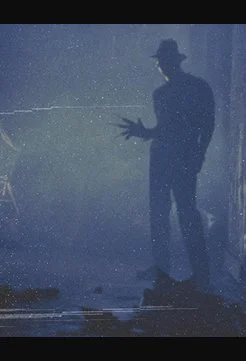
Congrats, you’re starring in your own personal Nightmare on Elm Street. Except this isn’t some dreamscape terror; it’s your day-to-day waking life.
So how do we escape? How do we call “cut” on this twisted horror show and return to a life where you’re not constantly looking over your shoulder?
The Exit Strategy: How to Get Out of Survival Mode
Okay, so we’ve established that living in survival mode is the mental health equivalent of being chased by relentless Michael Myers. But unlike our final girl Laurie Strode, you don’t have to keep coming back for sequels.

Enough chaos.
Let’s get you out.
1. Face the Monster Head-On
Yeah, I know, counterintuitive, right? But remember how Ripley took down the xenomorph in Alien by going toward the threat? Same deal here.

Avoidance keeps survival mode alive. Because every time you avoid something, your brain goes: “That must have been dangerous. Good call.”
So instead? Lean in. Ask yourself: “What’s actually going to happen?”
Most of the time? Not much.
Certainly not death.
2. Mindfulness: The Least Sexy, Most Effective Tool and Your Anti-Horror Movie Weapon
Yes, it’s boring.
Yes, it works.
Mindfulness is basically the equivalent of turning on the lights in a haunted house. It takes the power away from the fear by making you aware of what’s really going on.
Suddenly:
things are less scary
your brain calms down
you realise you’re not actually being hunted
Try:
breathing slowly
noticing your surroundings
grounding yourself in the present
Mindfulness reminds you that you’re not being chased by monsters — you’re just dealing with life.
You’re reminding your brain: “We’re safe. Relax.”
3. Reframe the Plot (Because You’re Not the Victim)
Constantly being in survival mode makes you feel powerless. Like everything is happening to you.
But here’s the plot twist: You’re not powerless. You’re not the victim. You have the ability to change the narrative.
You’re the one still standing.
Still functioning.
Still figuring it out.
Instead of seeing yourself as the helpless victim, start viewing yourself as the survivor. You’ve already made it this far, haven’t you?
That’s not weakness.
That’s resilience.
4. Create Actual Safety (Not Just “Push Through It” Energy)
You cannot out-hustle survival mode. You need safety. Real safety.
The thing about horror movies is that the danger is everywhere. But in real life, you can create your own safe spaces.
That might look like:
rest without guilt
boundaries with people who drain you
reducing unnecessary stress
Your safe space is where you can lower your cortisol levels and remind your brain that not everything is a threat.
You’re not being lazy.
You’re recalibrating.
5. Set Boundaries (Cut the Sequels, Quit the Drama)
Some things in your life are keeping you stuck in survival mode.
People. Situations. Habits.
And like a bad horror franchise — they just keep coming back.
We’ve all seen those horror franchises that just keep pumping out sequels. At some point, the audience just groans, “Enough already!”
It’s time to end the series.
Set boundaries
Protect your energy
Stop giving unlimited access to things that drain you
Cut off the toxic energy that’s feeding your anxiety and keeping you trapped in that mental horror movie.
And remember, you don’t owe anyone endless access to your mental or emotional energy.
Horror Movie Survivors Don’t Stay in Survival Mode — Neither Should You
Let’s be honest.
Every horror movie has survivors.
The ones who:
adapt
fight back
stop running
But here’s what they don’t do: They don’t stay in that terrified, reactive state forever.
At some point? They take control.
They realise: “This ends when I decide it does.”
Think Laurie Strode in the Halloween series. Yeah, she spent a long time running from Michael Myers, but eventually, she stood her ground and decided she wasn’t going to be the victim anymore.

You get to do the same.
You’re not meant to live your whole life in survival mode, constantly waiting for the next disaster to strike. It’s exhausting, and honestly? Unsustainable.
But by recognising that you’re stuck in this mode, confronting the fears that are keeping you there, and actively working to create a new narrative, you can get out.
What Happens When You Finally Get Out
This isn’t an overnight transformation.
But just like the horror movie survivors who learn to stop running and face the monster head-on, you can stop being a victim of your own life. The trick? Remembering that the real power isn’t in surviving — it’s in thriving.
Slowly:
your body relaxes
your reactions soften
your brain quiets down
You stop feeling like you’re constantly bracing for impact. You start feeling like yourself again.
Not just surviving. Actually living.
Final Thoughts: You Were Never Meant to Live Like This
You were not designed to:
feel stressed all the time
live in constant tension
treat everyday life like a threat
You adapted to it. That’s all. And anything you adapted to? You can unlearn.
And trust me, you’ve got everything you need to do just that.
Because you’re not stuck. You’re just running a system that never got the signal that it’s safe to stop. And once you give it that signal?
Everything changes.
Now go out there and slay. (Just metaphorically, k?)
Living in survival mode long enough can make calm feel suspicious.
“This Is Not an Emergency” was made for the moments when your brain forgets the difference between danger and overwhelm.


IN ODD WE TRUST Presents
A FIELD NOTES FROM THE DARK Production
Starring YOU, the protagonist in your own psychological thriller
Produced by A LIFETIME OF QUESTIONABLE DECISIONS
Directed by EXISTENTIAL DREAD Story by THAT VOICE IN YOUR HEAD AT 3AM
Costume Design VOID SURVIVOR TEE Music by DISSONANT SYNTH and REGRET
Feeling seen? You Belong with us, Join THE CULT OF ODD Your backstage pass to PSYCHOLOGICAL
SURVIVAL GUIDES, HORROR COPING RITUALS and EMOTIONALLY UNSTABLE T-SHIRTS