Are Misfits More Intelligent? The Strange Psychology of Outsiders, Rebels, and Deep Thinkers
Colour / Reading Time 7 mins Approx
At some point in life, most misfits have the same quiet thought: Maybe something is wrong with me. Everyone else seems to understand the social script. The rules. The expectations. Meanwhile you’re standing there like someone who wandered into the wrong movie halfway through the plot. But here’s the uncomfortable question nobody asks: what if not fitting in isn’t a defect… what if it’s a side effect of thinking differently?
Let’s begin with a confession.
If you’ve ever felt like a misfit, you’ve probably spent a lot of time trying to diagnose yourself.
Maybe you wondered if you were:
socially awkward
overly sensitive
too analytical
too intense
not interested in the “normal” milestones everyone else seemed excited about
Maybe you learned early that the safest strategy was to blend in just enough to avoid attention while still quietly feeling like a visitor in most environments.
You understand people.
You can participate in conversations.
You can operate inside social systems.
But internally?
You’re running a completely different operating system.
And eventually the question bubbles up: Are misfits actually different in some deeper way?
Not better.
Not worse.
Just… different.
Psychology suggests that sometimes, the answer might be yes.
But probably not in the way TikTok motivational posts would like you to believe.
Misfit Does Not Mean “Smarter Than Everyone Else”
Let’s get one thing out of the way before the internet turns this into a superiority complex: Being a misfit does not automatically mean you’re more intelligent than other people.
Plenty of very average people feel like misfits. And plenty of highly intelligent people blend in perfectly well.
But research does suggest something interesting: People who diverge from group norms often share cognitive traits that correlate with intelligence.
Not always. But often enough to be noticeable.
Those traits include:
higher curiosity
independent thinking
resistance to social conformity
strong internal motivation
deep pattern recognition
comfort questioning authority
unusual interests or niche obsessions
Which means misfits are sometimes less focused on fitting the system and more focused on understanding it.
And that shift in focus changes everything.
Intelligent Minds Often Question the Script
Most social systems operate on invisible agreements.
You’re expected to:
follow certain life paths
adopt certain beliefs
prioritise certain goals
avoid asking certain questions
For many people, those expectations feel natural. But highly analytical or curious minds often experience something else entirely.
They notice the script. And once you notice the script, you can’t pretend it isn’t there.
You begin asking annoying questions like:
Why do we do it this way?
Who decided this is normal?
Is this actually meaningful today, or just tradition?
Are these rules real or just socially reinforced habits?
This line of thinking doesn’t always make you popular. In fact, it can make you deeply inconvenient.
Which brings us to horror movies. Because horror loves inconvenient thinkers.
The Person Who Questions the Situation First
In Alien, the crew of the Nostromo encounters something… unusual.

A mysterious alien organism.
A strange signal.
A very obvious series of bad decisions waiting to happen.
Most characters initially follow protocol or authority. But one character consistently prioritises observation and skepticism: Ripley.
She questions the situation.
She challenges assumptions
She notices risks others ignore.
And because of that, she survives.
The misfit thinker in horror is rarely the loudest character. They’re the one quietly analysing the pattern.
Conformity Is Comfortable (But Not Always Insightful)
Social belonging requires a certain level of agreement. You don’t have to think exactly like everyone else. But you do need to move with the current.
Misfits often struggle because they instinctively swim sideways.
They notice inconsistencies.
They spot flaws in logic.
They resist ideas simply because they’re popular.
And while that independence can lead to innovation…
…it can also create social friction.
Because the person who questions the system often looks like the person who doesn’t understand it. When in reality they might understand it too well.
Intelligence and Pattern Recognition
One trait associated with high intelligence is pattern detection. The ability to notice connections, trends, and underlying structures.
The downside? Once you see patterns, you also see when they break.
You see contradictions.
You see social dynamics playing out in predictable ways.
You see power structures, emotional manipulation, performative behaviour.
In short, you start noticing the mechanics of the room. And once you see the mechanics, it becomes very difficult to simply relax inside them.
Which is why some misfits feel like they’re watching life happen instead of fully participating. Not because they don’t want connection. But because they can’t unsee the system running underneath it.
The Curse of Thinking Too Much
Highly analytical people often face a problem called cognitive overprocessing. Which is a polite psychological way of saying: Your brain refuses to shut up.
You replay conversations.
You analyse motives.
You mentally simulate alternate outcomes.
You think about meaning, purpose, and long-term consequences when everyone else just wanted to talk about weekend plans.
It’s not that misfits dislike simple pleasures. It’s that their minds constantly wander into deeper territory.
And depth can feel lonely when the environment rewards surface-level interaction.
The Misfit as Observer
Outsiders often develop strong observational skills. When you don’t feel fully embedded in a group, you watch more carefully.
You study behaviour.
You analyse tone.
You notice contradictions between what people say and what they actually do.
This observational distance can make misfits:
strong writers
good psychologists
effective strategists
creative thinkers
sharp social analysts
But there’s a tradeoff.
Observation creates awareness.
Awareness creates distance. And distance can sometimes feel like loneliness.
The Gift of Unusual Interests
Another pattern among misfits is deep curiosity in niche topics.
While others follow mainstream interests, misfits often disappear down intellectual rabbit holes.
History.
Psychology.
Philosophy.
Art.
Science.
Horror movies that double as existential metaphors.
These interests might not always translate into social currency. But they cultivate cognitive flexibility. Which is strongly linked to creative intelligence.
In other words: Misfits often build unusual mental toolkits.
Even if nobody else understands what they’re building.
The House That Doesn’t Behave Normally
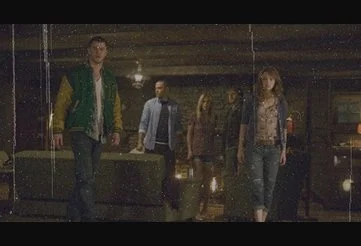
In The Cabin in the Woods, the entire horror scenario is revealed to be a massive system manipulating events behind the scenes.
The characters think they’re experiencing random terror. But the audience slowly realises there’s an elaborate structure controlling everything.
Misfit thinkers often feel like they’ve stepped behind that curtain in real life.
They start noticing how systems shape behaviour:
Workplaces.
Social hierarchies.
Cultural expectations.
Institutional incentives.
They don’t just participate in the story. They analyse the machinery running it. Which can feel both fascinating and isolating.
Creativity and the Misfit Brain
Research repeatedly shows that creativity correlates with:
openness to experience
tolerance for ambiguity
nonconformity
curiosity
emotional intensity
Those traits appear frequently in people who identify as outsiders.
Creativity thrives when the brain asks: “What if the rules are wrong?”
Misfits ask that question naturally. Not because they want chaos. But because they’re trying to understand reality more deeply.
When Intelligence Feels Like Alienation
Unfortunately, intelligence doesn’t automatically produce happiness. In fact, sometimes it complicates life.
If you analyse systems constantly, you may struggle to simply accept them.
If you think deeply about meaning, shallow goals may feel unsatisfying.
If you notice patterns in human behaviour, you may become cynical faster than others.
This doesn’t mean intelligence is a burden. But it does mean awareness can be emotionally complicated.
Sometimes the most intelligent move is learning when not to analyse everything.
Which is harder than it sounds.
The Outsider Who Sees the Truth
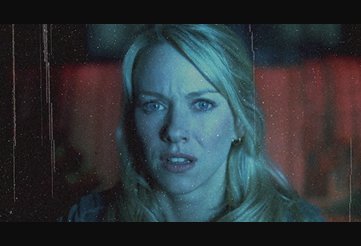
In The Ring, the central mystery revolves around a cursed videotape that kills anyone who watches it after seven days.
Most people dismiss the story as superstition.
But one journalist becomes obsessed with understanding it.
She investigates the pattern.
She studies the evidence.
She refuses to accept the comforting explanation.
The result? She uncovers the truth.
Misfit thinkers often operate this way.
They follow curiosity further than others are willing to go. Which sometimes leads to insight. And sometimes leads to staring at unsettling truths longer than most people would like.
The Danger of the “Misfit Genius” Myth
Let’s avoid another trap. The internet loves the narrative that outsiders are secretly brilliant. Reality is more nuanced.
Some misfits are highly intelligent.
Some are simply different in personality.
Some have unique interests that don’t match their environment.
What matters more than intelligence is alignment.
When misfits find environments that value curiosity, creativity, and independent thinking… They often thrive.
When they remain stuck in systems built for conformity… They feel broken.
The difference is not the person. It’s the ecosystem.
Intelligence Is Not the Real Advantage
Even if misfits do show certain cognitive strengths, intelligence itself is not the real advantage.
The real advantage is independent perception.
The willingness to question assumptions.
The courage to think differently.
The curiosity to explore ideas others ignore.
That mindset drives:
innovation
art
scientific discovery
cultural change
Nearly every major shift in human progress began with someone thinking: “Maybe the current system isn’t correct.”
Those people were rarely the most socially comfortable individuals in the room.
They were often the misfits.
The Real Question Isn’t Intelligence
Instead of asking: “Are misfits more intelligent?”
A better question might be: “What happens when someone refuses to outsource their thinking?” Because that’s the core trait many misfits share.
They think for themselves.
Sometimes awkwardly.
Sometimes obsessively.
Sometimes in ways that make social situations complicated.
But independently. And independent thinking has shaped more of human history than conformity ever has.
A Thought to Leave You With
If you’ve spent your life feeling like the odd one out…
If you’ve wondered whether your brain works differently from everyone else’s…
If you’ve quietly worried that you’re just bad at fitting in…
Consider a different possibility.
Maybe your mind isn’t malfunctioning.
Maybe it’s just not designed for autopilot.
Misfits often live slightly outside the system. But that position offers a strange advantage.
You see the patterns others miss.
You notice the cracks in the story.
You recognise when something doesn’t add up.
And sometimes the people standing just outside the crowd… Are the only ones who can see the bigger picture.
Which might not make life easier. But it does make it interesting. And interesting minds rarely stay lonely misfits forever.
Eventually they build rooms where other strange thinkers finally feel at home.


IN ODD WE TRUST Presents
A FIELD NOTES FROM THE DARK Production
Starring YOU, the protagonist in your own psychological thriller
Produced by A LIFETIME OF QUESTIONABLE DECISIONS
Directed by EXISTENTIAL DREAD Story by THAT VOICE IN YOUR HEAD AT 3AM
Costume Design VOID SURVIVOR TEE Music by DISSONANT SYNTH and REGRET
Feeling seen? You Belong with us, Join THE CULT OF ODD Your backstage pass to PSYCHOLOGICAL
SURVIVAL GUIDES, HORROR COPING RITUALS and EMOTIONALLY UNSTABLE T-SHIRTS