Why Outsiders Are Always the Heroes in Horror (And What That Says About You)
Colour / Reading Time 6.5 mins Approx
They always look like the easiest ones to kill. The quiet girl. The weird guy. The one sitting slightly too far from everyone else, like they didn’t get the memo about how close humans are supposed to stand to each other. They’re not the loudest. They’re not the strongest. They’re definitely not the most liked. And yet — They’re the ones still breathing when the credits roll.
Let’s get one thing straight.
Horror doesn’t reward popularity.
It doesn’t care how many friends you have, how good your hair looks in low lighting, or whether you peaked in secondary school and are still emotionally coasting on it.
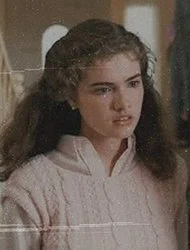
In A Nightmare on Elm Street, the loud, oblivious teens fall fast — while Nancy Thompson stays awake long enough to realise the rules are broken.
Horror rewards something far more uncomfortable:
Self-awareness.
And guess who has that in excess? Outsiders.
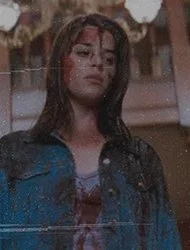
Just ask Sidney Prescott in Scream, who was too busy questioning everything to die on cue.
The Unwritten Rule of Survival
In horror, there’s an unspoken contract:
The arrogant die first
The oblivious die loudly
The outsiders… adapt
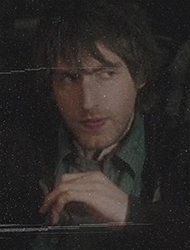
It’s why in The Cabin in the Woods, the so-called “fool” (Marty Mikalski) is the only one suspicious enough to question the entire setup — while everyone else happily walks into their assigned deaths.
This isn’t accidental. It’s psychological.
Outsiders have already been living in a world that doesn’t quite fit them. They’ve already experienced being “othered,” excluded, underestimated, or ignored.
So when the environment shifts from socially hostile to literally trying to kill you —
They don’t panic in the same way.
They’ve been training for this.
Case Study #1: The Girl Who Watches Everything
Think about the classic “final girl” trope.
She’s observant.
She notices things no one else does.
She doesn’t blindly follow the group into bad decisions wrapped in peer pressure and cheap beer.
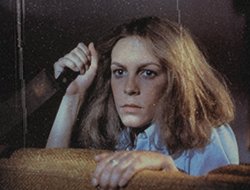
In Halloween, Laurie Strode survives not because she’s stronger than Michael Myers — but because she pays attention when everyone else is distracted.
She pauses.
She questions.
She survives.
Not because she’s fearless — but because she’s used to standing slightly outside the moment.
And that distance?
That’s where clarity lives.
Case Study #2: The Socially Awkward Genius
Every horror group has one:
The weird one.
The one who says things that don’t land right.
The one who knows obscure facts at deeply inconvenient times.
The one everyone half-listens to — until it’s too late.
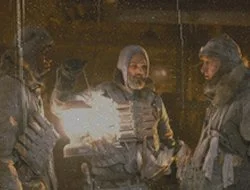
In The Thing, paranoia becomes survival currency — and it’s the characters willing to question everyone (including themselves) who last the longest in a world where trust gets you killed.
They’re the ones who understand what’s happening first.
They connect the dots.
They recognise patterns.
They don’t dismiss the impossible just because it makes everyone else uncomfortable.
Because they’ve always been comfortable with uncomfortable truths.
Outsiders See What Others Refuse To
Here’s the uncomfortable truth most people don’t want to admit:
Being socially accepted often requires a certain level of… blindness.
You ignore red flags.
You go along with things that don’t feel right.
You prioritise belonging over truth.
Outsiders don’t have that luxury.
They’re not invested in maintaining the illusion.
So when something feels off —
They don’t say, “It’s probably nothing.”
They say, “No. Something is very wrong here.”
And in horror? That difference is everything.
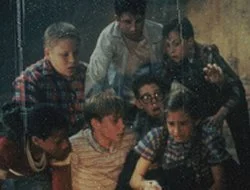
In It, the entire town ignores what’s happening — while the Losers’ Club (outsiders by design) are the only ones willing to see Pennywise for what it is.
The Herd Dies Together
Groups in horror are like beautifully arranged dominos — just waiting for one bad decision to knock everything down.
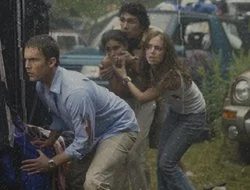
In Wrong Turn, sticking together doesn’t save anyone — it just makes the group easier to track.
They move together.
They think together.
They panic together.
Which means they fail together. Because groupthink is lethal when the situation requires independent thinking.
Outsiders? They’re already operating solo.
They don’t need consensus to act.
They don’t wait for approval.
They don’t hesitate because “everyone else seems fine with it.”
They trust their instincts.
Even when those instincts isolate them further.
Especially then.
Isolation: The Skill No One Wants (But Everyone Needs)
Most people fear being alone.
Outsiders?
They’ve made a home there.
They know how to sit with discomfort.
They know how to exist without constant validation.
They know how to function without a safety net of people reassuring them everything is okay.
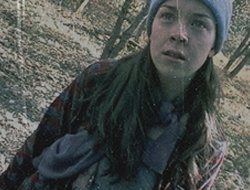
In The Blair Witch Project, isolation breaks the group — but the ability to function without emotional reassurance is the only thing that even gives you a fighting chance.
So when horror strips everything away — Outsiders aren’t starting from zero.
They’re starting from familiarity.
Pain Builds Pattern Recognition
Here’s where it gets interesting. Outsiders often carry a history.
Not the glossy, Instagram-filtered kind.
The kind that teaches you to read a room before you enter it.
The kind that sharpens your instincts because ignoring them once had consequences.
Pain does something most people underestimate: It teaches you patterns.
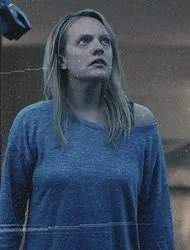
In The Invisible Man, Cecilia Kass isn’t believed by anyone — but her lived experience makes her the only one who recognises the threat early.
Who to trust.
What to avoid.
When to leave.
Ignoring your instincts once is a lesson. Ignoring them twice is a death sentence.
And horror is nothing if not a pattern recognition test with fatal stakes.
The Villain Doesn’t Target the Outsider First
Ever notice that?
The loud ones go first.
The reckless ones go second.
The oblivious ones don’t even realise they’re next.
In Jaws, it’s not the cautious observers on the shore who get taken — it’s the ones charging into the water like nothing could possibly go wrong.

But the outsider? They’re often overlooked.
Because they don’t draw attention.
They don’t perform.
They don’t need to be seen.
And in a genre where visibility equals vulnerability —
Being overlooked is a superpower.
Outsiders Don’t Need the Script
Everyone else is trying to follow the expected storyline:
Stay together
Don’t panic
Everything will be fine
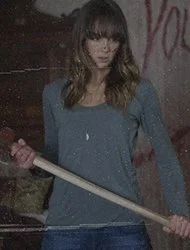
Outsiders rewrite the script.
In You’re Next, Erin Harson doesn’t play the victim — she adapts, strategises, and turns the entire situation on its head.
They leave when others stay.
They question when others comply.
They act when others freeze.
Because outsiders don’t expect the world to be fair.
So they’re prepared for when it isn’t.
Horror Rewards the “Difficult” Personality
Let’s reframe something.
The traits that make someone an outsider in everyday life —
Questioning authority
Being hyper-aware
Thinking differently
Not needing constant validation
These are often labelled as flaws.
But in horror? They’re survival traits.
And are exactly what keeps people alive.
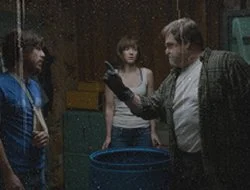
In 10 Cloverfield Lane, survival hinges on questioning reality — not accepting the version someone else hands you.
The “difficult” ones? They’re the ones who don’t comply blindly.
And the very things that make someone “difficult” in normal society… make them dangerous to the thing trying to kill them in horror.
You Were Never Meant to Fit In
Here’s the part no one tells you: Outsiders don’t survive in horror despite being different.
They survive because of it.
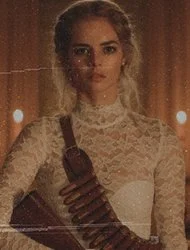
In Ready or Not, Grace Le Domas isn’t part of the family — and that’s exactly why she refuses to play by their rules.
Fitting in would have killed her.
Standing apart saved her.
Fitting in requires compromise.
It requires smoothing out the edges that make you… you.
And those edges? They’re exactly what keep you alive when everything else falls apart.
The Real Reason This Trope Exists
Horror isn’t just entertainment. It’s a psychological mirror. It shows us what we value — and what actually matters when everything is stripped away.
And what it consistently shows is this:
Belonging doesn’t save you. Awareness does.
Outsiders represent awareness.
They represent the part of you that notices things you wish you didn’t.
The part that questions what everyone else accepts.
The part that doesn’t quite fit — and never will.
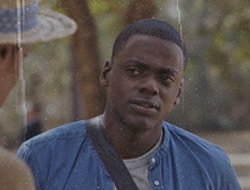
In Get Out, awareness is the only thing that keeps Chris Washington alive in a world designed to trap him.
Belonging doesn’t save you.
Awareness does.
And maybe that’s not a flaw.
Maybe that’s the point
So… What Does This Say About You?
If you’ve ever felt like the outsider —
Like you’re slightly out of sync with everyone else.
Like you see things you can’t unsee.
Like you don’t quite belong in the rooms you’re in.
Good.
Uncomfortable?
Yes.
Inconvenient?
Absolutely.
But in the context of survival? It’s an advantage.
How to Use Your “Outsider” Traits in Real Life
No, your life is (hopefully) not a horror movie.
But the same principles apply.
1. Trust What Feels Off
If something feels wrong, it probably is.
Outsiders are often conditioned to doubt themselves — so yeah, stop doing that.
2. Stop Forcing Belonging
Not every room is meant for you.
And forcing your way into the wrong one can cost you more than walking away ever will.
3. Observe Before You Act
You don’t need to be the loudest voice in the room.
You just need to be the one who sees clearly.
4. Embrace Independence
The ability to stand alone is one of the most underrated strengths you can develop.
5. Question Everything
Especially the things everyone else accepts without thinking.
Final Thought (Before the Lights Go Out)
The next time you watch a horror movie, pay attention.
Not to the monster.
Not to the jump scares.
Not to the blood.
Watch the outsider.
Watch how they hesitate when others rush.
Watch how they notice what others ignore.
Watch how they survive not by being the strongest — But by being the most aware.
And then ask yourself:
If everything went dark…
If the rules disappeared…
If the world stopped making sense…
Would you rather be the one who fits in — Or the one who makes it out?
Because in horror — as in life —
The ones who don’t belong are the ones who see what everyone else is too comfortable to question.
Want to know which kind of Horror Outsider you are?
👉 This quiz was made for you: What Kind of Horror Survivor Are You?
👉 Or just trying to survive, then get the guide: This Is Not an Emergency


IN ODD WE TRUST Presents
A FIELD NOTES FROM THE DARK Production
Starring YOU, the protagonist in your own psychological thriller
Produced by A LIFETIME OF QUESTIONABLE DECISIONS
Directed by EXISTENTIAL DREAD Story by THAT VOICE IN YOUR HEAD AT 3AM
Costume Design THE GLORIOUS REJECTS TEE Music by DISSONANT SYNTH and REGRET
Feeling seen? You Belong with us, Join THE CULT OF ODD Your backstage pass to PSYCHOLOGICAL
SURVIVAL GUIDES, HORROR COPING RITUALS and EMOTIONALLY UNSTABLE T-SHIRTS