The Creature From The Black Lagoon & Toxic Relationships: Escaping The Monsters Who Drag You Down
Colour / Reading Time 6 mins Approx
Learn how The Creature from the Black Lagoon is the perfect metaphor for toxic relationships — Spot the warning signs, break free, and reclaim your power.
Welcome to the Swamp
Toxic relationships rarely announce themselves with neon signs and ominous theme music. No one swipes right thinking, “Ah yes, this is the one who will emotionally dehydrate me like a forgotten houseplant.” But there they are — slithering in, all wide eyes and wet smiles, dragging you into their murky depths until you can’t tell which way is up.
Much like The Creature from the Black Lagoon, toxic people tend to emerge from the shadows when you’re not paying attention. They’re mysterious. Alluring. Maybe even misunderstood. At first, you think, “Oh, they’re just a little intense. A little misunderstood. They just need love.”
Spoiler alert: you’re not their lifeline — you’re their life raft. And honey, rafts don’t last long in the swamp.

What Makes a Creature “Toxic”?
Let’s be clear: not every difficult person is a swamp creature. But toxic relationships have telltale signs — like gill-man footprints on your self-esteem. They’re often marked by:
Control disguised as care: “I just want what’s best for you,” they say, while rearranging your entire life.
Emotional quicksand: Every conversation feels like a struggle to keep your head above water.
Isolation tactics: Suddenly, your world shrinks — friends, hobbies, and even your sparkle seem to vanish.
A cycle of bait and drown: Warm one moment, cold and reptilian the next.
Sound familiar? Congratulations, you’ve spotted your very own Black Lagoon.
Why We Get Stuck in the Swamp
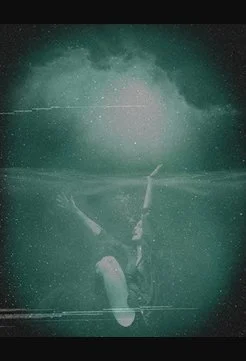
The Creature doesn’t catch you because you’re weak. It catches you because you’re human — and humans crave connection. We want to be seen. We want to be chosen. And toxic relationships exploit that very longing.
They tend to appear when you’re vulnerable — after a breakup, during a life transition, or when your self-esteem is paddling around like a lost duckling. They offer attention that feels like devotion, intensity that masquerades as passion.
And just like in the film, leaving isn’t always as simple as swimming away. There’s guilt. Fear. That ever-slimy whisper: “But what if I’m overreacting?” Before you know it, you’re holding your breath, waiting for the next splash, rationalising the ripples.
The Psychology of the Swamp Trap
Intermittent reinforcement: Toxic partners give you just enough good moments to keep you hooked — like a slot machine with feelings.
Fear of abandonment: We often stay because leaving feels lonelier than staying — even when staying is slowly drowning us.
The fixer fantasy: We think if we just love them hard enough, they’ll change. (Spoiler: they rarely do.)
This isn’t weakness — it’s wiring. But wiring can be rewired.
The Horror Movie Rulebook: How to Survive
Here’s the thing about horror movies: the survivors always make a choice. They stop running in circles, they grab the harpoon, and they do something. Escaping a toxic relationship isn’t so different.
1. Spot the Red Flags Early
Think of red flags as the Creature’s glowing eyes beneath the water. If you feel drained after every interaction, or you’re constantly questioning your worth — pay attention. They’re often subtle at first — a controlling joke passed off as “just kidding,” a pattern of flakiness that leaves you unmoored, a slight erosion of your self-confidence that starts to feel normal.
Your gut is the ultimate monster detector, and it doesn’t lie. The real horror is how often we gaslight ourselves into staying because we don’t want to seem “dramatic.” Write down your discomfort. Name it. Monsters thrive in the dark — light kills them.
2. Break the Isolation Spell
The Creature wins when you’re alone. That’s when the swamp feels like the whole world. Reach out to your support network. Call your people. Text the friend you’ve been “too busy” to talk to. Confide in someone who remembers your laugh — your real one, not the swamp-approved polite chuckle. Isolation is the swamp’s favourite tool — connection is your rope ladder.
And if your circle has already been eroded, start small: an online support group, a therapist, or even journaling your truth until you can speak it aloud.
3. Set Your Non-Negotiables
Healthy boundaries are like boats: they keep you from being dragged under. Decide what you will and won’t tolerate — then stick to it, even if the Creature thrashes.
Your boundaries aren’t just about saying no — they’re about saying yes to your own life. Yes to rest. Yes to joy. Yes to being around people who make you feel more human, not less. Your boundaries are your survival kit. Don’t apologise for needing air.
4. Stop Playing the Saviour
You are not responsible for someone else’s swamp. Repeat that until it echoes off the cavern walls of your subconscious. Their pain is not your purpose. Love does not mean losing yourself in the muck. If your empathy has turned into an anchor, it’s time to cut the rope.
The Creature thrives when you take on the role of rescuer — it lets them stay in the role of victim, all while keeping you tethered to their depths. But you cannot teach someone to swim if they’re committed to pulling you down.
5. Swim Like Hell
When it’s time to go…go. Don’t wait for the perfect moment or a dramatic soundtrack. Don’t draft a 12-slide PowerPoint to explain why you deserve better. There is no award for staying until your lungs collapse. Ghosting a swamp creature is not rude; it’s survival.
Leaving will feel messy. It will feel selfish. That’s okay. Healing often starts with a little chaos. What matters is that you swim.
The Beauty After the Bog
Here’s the plot twist: escaping the Black Lagoon isn’t about revenge or proving them wrong. It’s about reclaiming your oxygen, your sunlight, your entire damn shoreline.
Once you’re free, you’ll notice the air tastes different. Lighter. Less… algae-flavoured.
You’ll start to remember who you were before the murk — what you liked, who you laughed with, the goals you put on pause. Toxic relationships don’t just drain your energy; they warp your sense of what’s possible.
And then one day, without ceremony, you realize you haven’t looked over your shoulder in weeks. You’re swimming in clearer waters. You’re building something that’s yours.
And maybe, just maybe, you’ll start building a life so full, so radiant, that the swamp no longer calls your name. That’s the real monster movie ending — the one where you don’t just survive, you thrive.
What the Creature Really Taught Us
Universal Monsters weren’t just there to scare us — they were mirrors. The Creature represents the murky, hidden dangers we invite into our lives when we mistake intensity for intimacy.
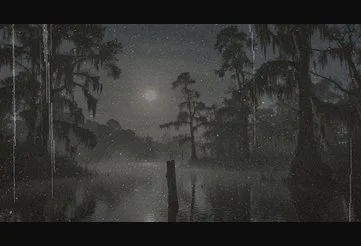
But every monster has a lesson:
Don’t ignore the still waters — they often hide the deepest threats.
Curiosity is fine, but don’t lose your compass while exploring the dark.
You deserve more than the bare minimum someone is willing to drag to the surface.
The Creature teaches us that the scariest relationships aren’t always the loudest. Sometimes they’re the quiet ones that creep in through the reeds, wrap around your ankles, and whisper, “Just stay a little longer.”
The Creature wasn’t born in your swamp — it was just passing through. Sometimes, the bravest thing you can do is climb out, dry off, and never look back.
Why This Matters More Than Ever
We live in a time where “ghosting” is a buzzword, “gaslighting” is a meme, and people confuse emotional unavailability for mystery. The modern dating swamp is full of creatures wearing charisma like camouflage. But toxic dynamics aren’t limited to romance — they show up in workplaces, friendships, even families.
Learning to recognise them is self-defence. Learning to leave them is survival. Learning to rebuild after them? That’s your rebirth scene, covered in swamp muck but laughing because you made it out.
How to Make Sure You Never Go Back
The horror sequel is real — many people leave toxic relationships only to find themselves in another one that looks eerily familiar. That’s because escaping is step one. Healing is step two.
Rebuild your self-trust: Take small risks that remind you your judgment can be trusted.
Learn the difference between passion and possession: One fuels growth, the other fuels fear.
Create a “green flag” list: Qualities that feel safe, nourishing, and calm. (Hint: calm can be sexy. Chaos just has better PR.)
Final Word: Don’t Be Afraid to Drain the Swamp
Whether it’s a friend, partner, boss, or that charming stranger with the strangely webbed hands, toxic relationships are survival stories waiting to be rewritten.
You don’t need to fight every creature — but you do need to choose you.
So, sharpen your harpoon. Lace up your metaphorical boots. And next time something bubbles beneath the surface, ask yourself: Is this love… or just another swamp monster trying to pull me under?
Because the scariest thing isn’t the Creature itself — it’s staying in the lagoon long after you’ve learned how to swim.

IN ODD WE TRUST Presents
A FIELD NOTES FROM THE DARK Production
Starring YOU, the protagonist in your own psychological thriller
Produced by A LIFETIME OF QUESTIONABLE DECISIONS
Directed by EXISTENTIAL DREAD Story by A MONSTER’S GUIDE TO SURVIVING OCTOBER
Costume Design THE DEEP DWELLER TEE Music by DISSONANT SYNTH and REGRET
Feeling seen? You Belong with us, Join THE CULT OF ODD Your backstage pass to PSYCHOLOGICAL
SURVIVAL GUIDES, HORROR COPING RITUALS and EMOTIONALLY UNSTABLE T-SHIRTS