The Ultimate Creators: Why Horror Movie Lovers Are The Most Creative People on the Planet
Colour / Reading Time 8 mins Approx
People love to dismiss horror fans as weird little gremlins who enjoy fake blood and emotional damage for fun. And honestly? Fair. But beneath the screaming, haunted houses, and questionable attachment to fictional killers lies something fascinating: horror lovers are often incredibly creative people. Why? Because horror doesn’t just entertain the imagination — it stretches it, electrocutes it, and occasionally chainsaws through the walls of normal thinking.
Let’s talk about horror movies.
Those gory, twisted, sometimes downright ridiculous flicks where masked maniacs chase terrified teenagers, and creepy creatures lurk in the shadows.
You know, the ones people love to write off as mindless entertainment?
Well, spoiler alert: the people who love and make horror movies aren’t just playing with fake blood and jump scares - they’re diving headfirst into a world that requires imagination so sharp it could cut through steel.
If you’re a fan or creator of horror, you’re part of a secret society of the most creative, rebellious minds in the room.
And guess what?
You’re probably inspiring others more than you realise.
Horror is a Masterclass in Creativity
Here’s the thing: horror isn’t just about scaring the crap out of people (though, let’s be real, that’s part of the fun).
It’s about using fear as a canvas.
Think of horror as the genre that dares to go where others won’t.
Directors, writers, and fans of horror are constantly breaking the rules - because in horror, there are no rules.
You’ve got a monster that can be anything from a giant alien parasite to a possessed doll, an evil spirit to a serial killer with a vendetta.
There’s endless room to explore the bizarre, the dark, and the downright creepy.
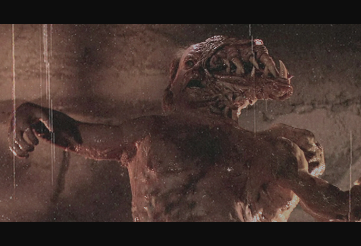
Take The Thing, for example. That grotesque shape-shifting alien monster?
Yeah, not only is it terrifying, it’s also a masterclass in creativity.
The filmmakers had to design something that wasn’t just scary but could morph into anything and still stay menacing.
And let’s not forget the practical effects - that’s the kind of problem-solving and imagination you can’t fake.
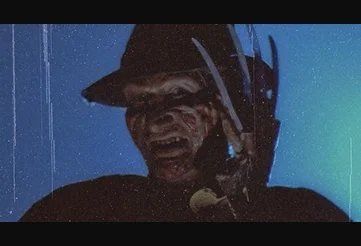
And don’t even get me started on A Nightmare on Elm Street. The entire concept of a killer invading dreams?
That’s some next-level genius, blending reality with the surreal, all while keeping you on the edge of your seat.
The fact that Freddy Krueger could strike when characters were at their most vulnerable (in their sleep) created a whole new level of psychological horror.
What makes horror unique is that it constantly asks impossible questions:
What if your dreams could kill you?
What if your body stopped belonging to you?
What if your home turned against you?
What if the monster was grief itself?
What if the real danger isn’t outside the house… but inside your own mind?
That kind of thinking exercises creative muscles most people barely use.
Romantic comedies ask: “Will they end up together?”
Horror asks: “What if the walls are alive and hungry?”
One of these requires slightly more imagination.
Horror Creators Are Basically Mad Scientists
Think about the amount of invention required to make a great horror movie work.
You’re not just writing dialogue. You’re engineering emotional reactions.
A horror filmmaker has to think about:
sound design
pacing
atmosphere
visual symbolism
psychology
tension
audience expectation
fear conditioning
suspense timing
That’s not “mindless entertainment.” That’s emotional architecture.
Look at Candyman. On the surface, it’s a supernatural slasher film.
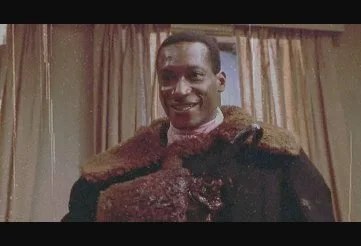
Underneath? It’s exploring urban legends, collective fear, race, trauma, and the power stories have over human behaviour.
Or Hellraiser, which somehow turned philosophical ideas about desire, pain, and excess into leather-clad nightmare fuel with hooks attached to chains.
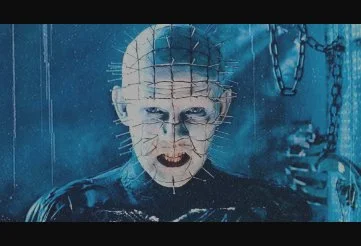
Horror creators consistently take abstract human fears and turn them into physical experiences.
That requires imagination on a completely different level.
Horror Fans Train Their Imaginations Constantly
Here’s something people underestimate: Horror fans actively participate in the experience.
Your brain doesn’t passively watch horror the way it watches background TV. Horror demands involvement.
You speculate.
You predict.
You analyse.
You imagine what’s behind the door before it opens.
And because horror relies heavily on suspense, your imagination ends up doing half the work.
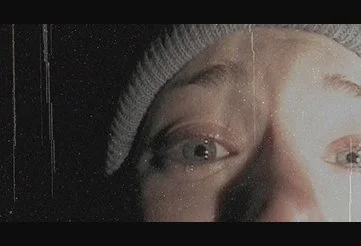
That’s one reason films like The Blair Witch Project became cultural phenomena.
The movie barely shows anything.
And yet audiences terrified themselves.
Why? Because horror fans have highly active imaginative engagement. Their brains instinctively fill in the blanks.
And psychologically speaking, what you imagine is often scarier than what you see.
Which means horror fans spend years unknowingly training:
visual imagination
emotional anticipation
abstract thinking
scenario building
creative interpretation
In other words: they rehearse creativity for fun.
Horror Fans Are Comfortable Exploring Dark Ideas
This is where horror really separates itself from other genres.
Horror fans are willing to mentally explore uncomfortable territory.
Death.
Isolation.
Madness.
Transformation.
The unknown.
Most people avoid these subjects because they’re unpleasant.
Horror fans walk directly toward them carrying popcorn.
That willingness to psychologically engage with fear often creates emotionally resilient and creatively fearless thinkers. Because creativity requires risk.
You can’t create original work while obsessively trying to stay comfortable.
Horror understands this instinctively.
The genre itself is built on discomfort.
And people drawn to horror are often more comfortable experimenting with strange ideas because they’ve spent years exploring unsettling emotional territory through fiction.
Horror Teaches You to Think Laterally
The best horror stories rarely follow straightforward logic.
Characters survive by improvising. Adapting. Thinking creatively under pressure.
That mindset bleeds into real life.
Horror fans constantly consume stories where survival depends on:
unconventional thinking
noticing hidden patterns
adapting quickly
questioning assumptions
using limited resources creatively
Which means horror audiences become highly familiar with lateral thinking.
And lateral thinking is one of the foundations of creativity.
The Final Girl Is a Creative Problem Solver
The “final girl” trope exists for a reason.
In films like Scream or Halloween, survival doesn’t come from brute strength. It comes from awareness.
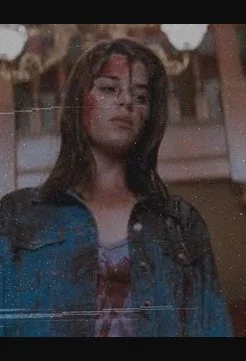
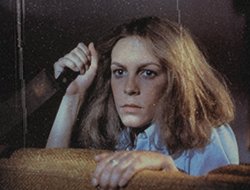
Adaptability.
Problem-solving.
Observation.
Creative thinking under pressure.
The survivors are usually the people who stop following the expected script.
And that’s creativity in a nutshell.
Creative people question the obvious route.
They look for hidden exits.
They improvise when the rules stop working.
Horror Fans See Beauty Where Others See Weirdness
This is important.
Horror fans tend to appreciate unusual aesthetics.
Decay.
Foggy graveyards.
Vintage practical effects.
Abandoned buildings.
Creepy soundtracks.
Melancholy atmosphere.
Most people look at those things and think: “No thank you.”
Horror fans think: “That would make an incredible scene.”
That ability to reframe darkness as art is deeply creative.
Because creativity often comes from finding meaning where others only see discomfort.
Horror Is One of the Most Symbolic Genres
People assume horror is shallow because they stop at the surface. But horror is often incredibly metaphorical.
Zombies become metaphors for consumerism.
Vampires represent desire, addiction, seduction, or power.
Werewolves symbolise repression and loss of control.
Ghosts embody grief, memory, and unresolved trauma.
Monsters externalise internal fears.
Horror constantly transforms abstract emotions into visual storytelling.
Which is literally what creative thinking is: turning invisible ideas into something tangible.
Fear and Creativity Are Weirdly Connected
Psychologically, fear heightens awareness. It sharpens attention.
It forces the brain into heightened pattern recognition.
And when used safely (like through fictional horror) fear can stimulate imaginative engagement without real danger.
That’s why horror fans often love:
escape rooms
immersive storytelling
ARGs
haunted attractions
speculative fiction
dark fantasy
bizarre art styles
Their brains enjoy mentally exploring uncertainty.
And uncertainty is where creativity lives.
Predictability kills imagination.
Horror destroys predictability for sport.
Horror Fans Tend to Be Curious People
Curiosity is one of the strongest predictors of creativity. And horror fans are notoriously curious.
They want to know:
what’s in the basement
what caused the haunting
who the killer is
what happens if you open the forbidden door
why the town is cursed
what the monster actually represents
Curiosity drives horror narratives. And it drives creative thinking too.
Without curiosity, creativity collapses into repetition.
Horror Fans Build Entire Worlds in Their Heads
One of the reasons horror fandoms are so passionate is because horror encourages world-building.
Fans don’t just watch horror. They:
theorise
speculate
reinterpret endings
invent alternate timelines
create fan art
write stories
design costumes
build haunted attractions
make edits and aesthetics
Horror inspires participation.
And participatory imagination is rocket fuel for creativity.
Horror Is the Genre of “What If?”
At its core, horror is powered by one question: “What if?”
What if the dead came back?
What if technology became sentient?
What if your memories weren’t real?
What if your town had been cursed for centuries?
What if your reflection moved independently?
That “what if?” instinct is the exact same instinct behind:
invention
storytelling
innovation
entrepreneurship
artistic experimentation
Creative people constantly imagine alternate realities.
Horror just happens to make those realities terrifying.
Horror Fans Usually Embrace Originality
Let’s be honest: horror fans are rarely obsessed with appearing “normal.”
That already creates creative freedom.
People terrified of judgment tend to self-censor.
But horror communities historically celebrate weirdness.
Odd fashion.
Dark humour.
Niche interests.
Experimental art.
Cult classics.
Being surrounded by environments that encourage originality naturally strengthens creativity.
Because once you stop trying to fit in, your imagination gets louder.
The Genre Constantly Reinvents Itself
Horror evolves faster than most genres.
Every decade reinvents fear.
The gothic horror of the 1930s looks nothing like the slashers of the 1980s.
The found-footage boom changed the genre again.
Psychological horror transformed it again.
Elevated horror debates appeared.
Analog horror emerged online.
Horror constantly mutates to reflect cultural fears.
That adaptability makes it one of the most creatively alive genres in existence.
Why Horror Fans Often Become Creators
Many horror fans eventually become:
writers
artists
musicians
filmmakers
designers
photographers
content creators
Why? Because horror awakens imaginative participation instead of passive consumption.
It makes people want to create their own worlds.
Own monsters.
Own stories.
Own metaphors.
And honestly, after enough years watching cursed videotapes and haunted hotels, your brain starts whispering: “You could probably make something cool too.”
Why Horror Empowers Creativity in Others
You ever walk out of a horror movie and feel like you can conquer the world?
Like, if you can survive two hours of terror, you can definitely survive that Monday morning meeting?
It’s because horror has this funny way of empowering people.
It’s not just about watching someone else go through hell on screen - it’s about realising that fear is a universal experience, and by confronting it, we get stronger.
The horror genre constantly reminds us that there’s always a way out - no matter how grim things look.
Sure, the characters in horror films make a lot of dumb choices (seriously, don’t go into the basement), but the fact remains that horror is full of survivors.
People who face their fears, fight back, and come out stronger on the other side.
And that’s exactly what creative people do every day.
They face down their…
self-doubt
critics
obstacles
And they keep going, keep creating.
Because they know that fear is a stepping stone. Not a roadblock.
So if you’re a horror lover or creator…
Congratulations - you’re already in the elite club of creative thinkers.
You’re the person who refuses to take the easy way out.
You’re the one who sees the potential in the unknown.
Who isn’t afraid to step into the darkness to find something new.
Why Horror = Creative Power
At the end of the day, horror isn’t just about scares.
It’s about imagination.
It’s about creativity.
It’s about seeing the world in a way that no one else does.
Whether you’re watching, writing, or directing, horror invites you to push the boundaries of your mind and unlock your full creative potential.
So, the next time someone asks why you love horror, you can smile, because you know the secret:
Horror fans and creators are the ones with the most imagination, the biggest ideas, and the ability to see beauty in the terrifying.
Let the others watch their predictable rom-coms and mindless reality TV (Love Island, I’m looking at you).
You’ve got worlds to build and fears to face.
Because you’re not just a horror fan.
You’re a visionary.
Or at the very least, someone emotionally prepared for the zombie apocalypse.
Which honestly feels increasingly practical.
If horror movies have always felt strangely personal, there may be a reason.
Take the Which Horror Outsider Are You? quiz.


IN ODD WE TRUST Presents
A FIELD NOTES FROM THE DARK Production
Starring YOU, the protagonist in your own psychological thriller
Produced by A LIFETIME OF QUESTIONABLE DECISIONS
Directed by EXISTENTIAL DREAD Story by THAT VOICE IN YOUR HEAD AT 3AM
Costume Design WE ARE THE MONSTERS TEE Music by DISSONANT SYNTH and REGRET
Feeling seen? You Belong with us, Join THE CULT OF ODD Your backstage pass to PSYCHOLOGICAL
SURVIVAL GUIDES, HORROR COPING RITUALS and EMOTIONALLY UNSTABLE T-SHIRTS