The Horror of Still Functioning: When You’re Fine Enough to Suffer Forever
Colour / Reading Time 6.5 mins Approx
You’re not spiralling. You’re not screaming. You’re not crying on the floor at 3am anymore. Congratulations. You’ve unlocked the most dangerous stage of all: still functioning. This isn’t a breakdown. This is a slow, polite haunting — and horror movies have been warning us about it for decades.
Let’s get something straight right out of the gate. The real horror isn’t losing your mind.
It’s keeping it together just enough to never be rescued.
You wake up. You show up. You do the things. You pay the bills. You reply “haha totally” to messages you don’t feel. You are — by all visible metrics — fine.
And that’s the problem.
Because nobody rushes in to save people who are still functioning.
They save the screamers.
They save the crash-and-burners.
They save the ones who make a scene.
But you?
You’re quietly haunted. And horror movies know exactly what that looks like.
This post is about the terror of emotional automation.
The slow possession.
The curse of being competent while empty.
And yes — we’re using horror films as our flashlight, because they’ve been screaming this truth at us in blood-soaked neon since the 1970s.
Let’s talk about the scariest character trope of all time: The one who keeps going.
Still Functioning Is Not the Same as Being Okay
Functioning is not health.
It’s just maintenance mode.
It’s the psychological equivalent of duct-taping a haunted house and telling everyone it’s “just a fixer-upper.”
You’re not falling apart — which means no one notices you’re eroding. And horror understands erosion better than any genre on earth.
This isn’t about dramatic suffering. This is about the quiet, socially acceptable kind.
The kind where you’re productive, polite, and slowly disappearing.
Horror Movie Lesson #1: The Possession Doesn’t Start With Screaming
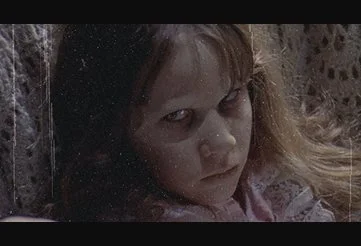
In The Exorcist, Regan doesn’t wake up fully possessed. It starts subtle.
Mood changes.
Withdrawal.
Small personality shifts.
Doctors shrugging.
Sound familiar?
Possession in horror is rarely instant. It’s incremental.
Just like burnout.
Just like depression.
Just like the numbness that creeps in when you keep telling yourself, “I can’t fall apart right now.”
Still functioning is the early stage of possession.
By the time the levitation starts, you’ve already been gone for a while.
You Become the Most Reliable Person in the Room (Which Is a Trap)
Here’s the cruel irony: When you’re still functioning, people rely on you more.
You become:
The dependable one
The calm one
The “they’ve got it handled” one
Which means you’re rewarded for not collapsing.
Horror movie parallel? Hereditary.
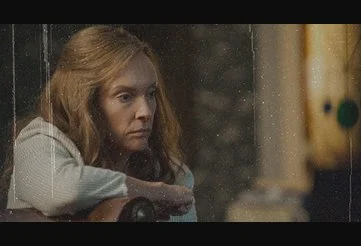
Annie keeps functioning after unspeakable loss. She cleans. She hosts. She smiles tightly. She keeps moving. And the more she holds it together, the deeper the rot goes.
Because grief doesn’t vanish when ignored.
It waits.
Still functioning turns you into the perfect host.
Horror Movie Lesson #2: The Monster Loves a Polite Victim
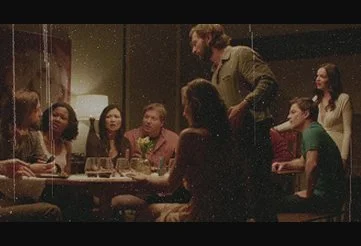
In The Invitation, the horror doesn’t come from chaos.
It comes from politeness.
People sense something is wrong — but no one wants to be rude. No one wants to disrupt the vibe. No one wants to be “dramatic.”
So they sit.
They drink.
They nod.
They stay.
Still functioning keeps you at the table long after you should’ve run.
You don’t leave the job.
You don’t leave the relationship.
You don’t leave the version of your life that’s quietly killing you.
Because you can handle it.
And the monster counts on that.
“At Least I’m Not As Bad As I Was” Is a Haunted Sentence
This sentence ruins lives.
“I’m not happy, but I’m better than before.”
“I’m exhausted, but it’s manageable.”
“I hate this, but I can survive it.”
Horror translation: The haunting has stabilised.
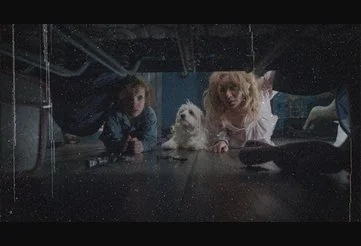
In The Babadook, the monster never disappears.
It gets managed.
Fed occasionally.
Locked in the basement.
Ignored — but never gone.
And that’s the most honest depiction of still functioning I’ve ever seen.
You don’t defeat the monster.
You learn to live around it.
The danger isn’t that it’s there.
It’s that you accept it as permanent.
Horror Movie Lesson #3: The House Doesn’t Collapse — It Settles
Some horror houses don’t explode.
They just settle.
Creaks become normal.
Cold spots become expected.
Doors closing on their own become background noise.
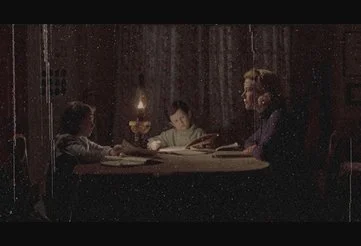
In The Others, the horror is domestic. Quiet. Restrained. Routine.
That’s still functioning energy.
You normalise the unease.
You adapt to the dread.
You call it adulthood.
But a house that settles around a haunting is still haunted.
You’re Not Numb — You’re Conserving Energy
Let’s clear something up.
Numbness isn’t emptiness.
It’s rationing.
It’s your nervous system saying, “We cannot afford to feel everything and still survive.”
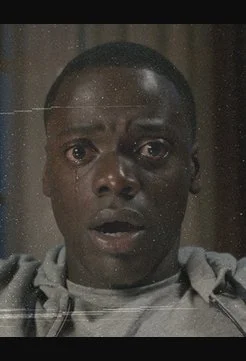
In Get Out, Chris doesn’t scream when he’s trapped.
He dissociates.
The Sunken Place isn’t loud horror.
It’s stillness.
Silence.
Observation without agency.
That’s what still functioning does.
You’re present.
But not participating.
Watching your life through glass.
Horror Movie Lesson #4: The Scariest Traps Are Invisible
The most terrifying traps in horror aren’t cages. They’re beliefs.
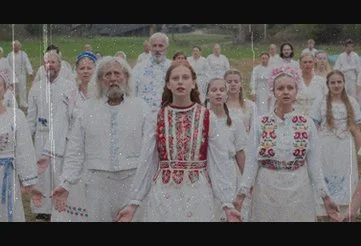
In Midsommar, the horror isn’t immediate. It’s slow. Soft. Welcoming.
The cult doesn’t chain Dani up.
They offer her belonging.
Still functioning is a belief trap.
“I can’t quit now.”
“Other people have it worse.”
“This is just how life is.”
No locks.
No guards.
Just compliance.
Productivity Is the Prettiest Mask in Horror
Horror loves a character who keeps working while everything burns. Because it’s tragic.
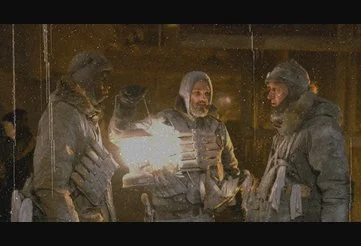
In The Thing, paranoia spreads — but routines continue. Tests are run. Systems are maintained.
Still functioning says: “Let’s finish the task before we panic.”
But here’s the truth no one tells you: You can be productive and deeply unwell at the same time.
In fact, productivity often delays intervention. You’re not failing fast enough to be noticed.
Horror Movie Lesson #5: Survival Isn’t the Same as Escape
Survival is staying alive.
Escape is leaving changed.
Horror movies are full of survivors who aren’t free.
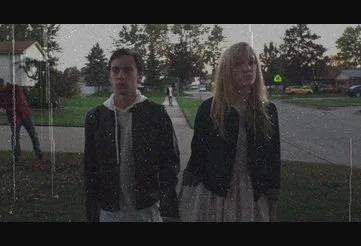
In It Follows, survival is temporary. Conditional. Exhausting.
That’s still functioning.
You’re surviving — but only if you keep moving.
Only if you don’t stop.
Only if you don’t rest long enough to feel.
That’s not living. That’s evasion.
You Don’t Break Because You’re “Strong” (You Break Later)
Strength is a double-edged axe in horror.
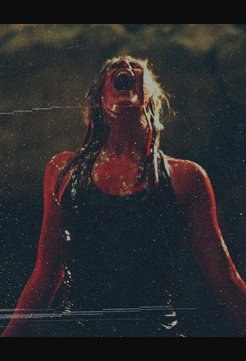
In The Descent, resilience keeps the women moving deeper underground — long after they should’ve turned back.
Still functioning is strength weaponised against yourself.
You endure.
You adapt.
You push through.
Until one day the collapse is total — because collapses that are delayed are usually catastrophic.
Horror Movie Lesson #6: The Final Girl Doesn’t Stay Polite
The Final Girl survives because she stops being agreeable.
She screams.
She runs.
She fights.
She disrupts.
Still functioning keeps you polite.
You don’t want to overreact.
You don’t want to inconvenience anyone.
You don’t want to “make it a thing.”
But horror teaches us this: Politeness gets you killed. Or worse — trapped forever.
The Scariest Line in Any Horror Movie Is “I’m Fine”
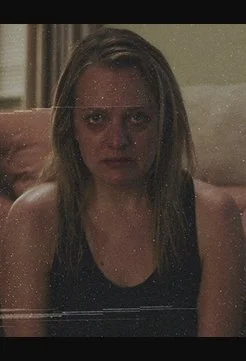
Because it always precedes disaster.
“I’m fine.”
“I’ve got it.”
“It’s nothing.”
In The Invisible Man, no one believes Cecilia because she’s still coherent. Still functioning. Still composed.
Her calm works against her. If she were hysterical, they’d listen.
Still functioning silences you.
Horror Movie Lesson #7: The Body Keeps the Score (And the Ghosts)

Horror understands somatic truth.
Creaking bones.
Unexplained bruises.
Fatigue.
Insomnia.
Your body knows before your mind admits it.
In Saint Maud, devotion masks psychological collapse — until the body revolts.
Still functioning often shows up as:
Chronic tension
Brain fog
Emotional flatness
Sudden rage spikes
The haunting leaks through the seams.
You’re Not Lazy — You’re Haunted
Let’s kill this lie properly.
If you were lazy, you wouldn’t be exhausted. Still functioning takes enormous energy.
You’re doing emotional crowd control 24/7.
You’re suppressing signals.
You’re managing inner chaos.
That’s not laziness.
That’s containment.
And containment always fails eventually.
Horror Movie Lesson #8: Escaping Means Letting Something Die

In horror, escape often requires loss.
In The Wicker Man (original), the horror is belief — but escape would mean abandoning certainty.
Still functioning clings to the familiar suffering. Because change feels like death.
But sometimes the thing that needs to die is the version of you that learned how to survive without being alive.
Why Still Functioning Is Worse Than Falling Apart
When you fall apart, things change.
When you still function, things freeze.
You don’t get a dramatic turning point.
You get slow erosion.
You don’t hit bottom.
You live on the ledge.
Forever.
That’s the real horror.
Horror Movie Lesson #9: The Exit Is Always There — You’re Just Trained Not to Take It
Horror loves exits no one uses.
Doors ignored.
Warnings dismissed.
Red flags reframed.
Still functioning teaches you to tolerate.
To endure.
To normalize.
To stay.
But the Final Girl doesn’t debate the exit.
She takes it bloody, barefoot, and unapologetic.
You Don’t Need to Be Braver — You Need to Be Less Tolerant
This isn’t about courage.
It’s about thresholds.
Still functioning raises your tolerance for misery until it feels ordinary.
Horror reminds us: The moment you realise something is wrong is the moment you’re meant to leave — not adjust.
Final Horror Truth: The Monster Isn’t the Breakdown
The monster is the version of you who learned how to survive without joy.
The monster is the voice that says:
“Just get through today.”
“Just keep it together.”
“Just don’t make waves.”
Horror doesn’t punish weakness.
It punishes denial.
And still functioning is denial dressed as responsibility.
Final Thought: Burn the House Down (Metaphorically… Mostly)
You don’t need a dramatic collapse to justify change.
You don’t need permission.
You don’t need to wait until it’s worse.
You don’t need to prove your suffering.
If you’re still functioning but secretly drowning — that’s already enough.
The scariest thing isn’t falling apart. It’s never leaving the haunted house because you learned how to live with the noise.
And horror has been screaming at us for years:
Get out while you still can.
One of the strangest parts of burnout is how invisible it can become.
Especially when you’re still technically functioning.
“This Doesn’t Feel Like Me” is for people who suspect they’ve been surviving for so long
they can no longer hear themselves clearly.


IN ODD WE TRUST Presents
A FIELD NOTES FROM THE DARK Production
Starring YOU, the protagonist in your own psychological thriller
Produced by A LIFETIME OF QUESTIONABLE DECISIONS
Directed by EXISTENTIAL DREAD Story by THAT VOICE IN YOUR HEAD AT 3AM
Costume Design EMBRACE THE DARKNESS TEE Music by DISSONANT SYNTH and REGRET
Feeling seen? You Belong with us, Join THE CULT OF ODD Your backstage pass to PSYCHOLOGICAL
SURVIVAL GUIDES, HORROR COPING RITUALS and EMOTIONALLY UNSTABLE T-SHIRTS