The Monster Was Never You. You Were Never Broken.
Colour / Reading Time 7 mins Approx
There comes a point in almost every monster film when the creature finally catches sight of itself. Sometimes it’s in a cracked mirror. Sometimes in a still lake. Sometimes reflected in someone else’s horrified expression. Sometimes it sees teeth. Sometimes stitches. Sometimes scars. Sometimes it sees the face everyone else taught it to hate. The frightening part isn’t the reflection. It’s spending your whole life believing someone else was right about what you see.
That’s the real beginning of the story.
Not the moment it becomes a monster. The moment it believes it is one.
Here’s the uncomfortable question.
How many things do you dislike about yourself… did you actually decide were flaws? And how many were simply handed to you by people who couldn’t understand you?
No child arrives in the world apologising for existing.
They don’t worry they’re too loud.
Too quiet.
Too emotional.
Too intense.
Too weird.
Too curious.
Too sensitive.
They simply are.
Then, little by little, the editing begins.
“Stop crying.”
“You’re overthinking.”
“Why can’t you be more like your brother?”
“Don’t be so dramatic.”
“Tone it down.”
“You’re intimidating.”
“You’re shy.”
“You’re selfish.”
“You’re difficult.”
It’s remarkable how quickly other people’s observations become our identity.
Especially when they come from people we’re programmed to trust.
Parents. Teachers. Friends. Partners. Bosses.
Before long, those voices don’t even need to be present anymore.
You’ve hired them as permanent narrators inside your own head.
Congratulations. You’ve become your own least imaginative film critic.
Labels Have Terrible Aim
Here’s the strange thing about labels.
Most of them tell you more about the person applying them than the person wearing them.
A child who asks endless questions becomes “annoying.”
Someone who notices everything becomes “anxious.”
A quiet person becomes “awkward.”
An independent woman becomes “intimidating.”
Someone who refuses to follow the crowd becomes “difficult.”
Translation? “You make me uncomfortable.”
That’s all many labels really mean.
But because humans are social creatures, we don’t hear discomfort.
We hear truth.
So we spend years trying to solve problems that were never actually ours.
It’s a bit like trying to sand the edges off a key because somebody complained it didn’t fit the wrong lock.
The key isn’t broken.
You’re just standing outside the wrong door.
Frankenstein’s Creature Wasn’t Born a Monster
Popular culture has committed one of history’s greatest branding disasters.
Most people call him Frankenstein.
He isn’t. Frankenstein is the scientist. The creature doesn’t even receive a name.
Think about that for a second.
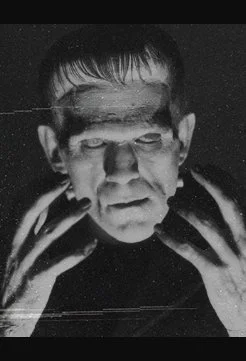
One of literature’s most famous “monsters” isn’t introduced as evil.
He’s curious.
Intelligent.
Gentle.
He learns language.
He admires beauty.
He longs for friendship.
He desperately wants someone - anyone - to look at him without immediately recoiling.
What changes him isn’t his nature.
It’s rejection. Again. And again. And again.
Eventually, he begins behaving exactly as the world expects him to behave.
There’s a psychological term for this: the self-fulfilling prophecy.
Treat someone like a monster for long enough… and eventually they start wondering if you were right all along.
How many parts of yourself have suffered the same fate?
Not because they were ugly.
Because they weren’t welcomed.
Maybe Your “Flaws” Were Survival Skills
One of the biggest mistakes we make as adults is assuming every behaviour needs fixing.
Sometimes it simply needs understanding.
Maybe you’re hyper-independent because relying on people once ended badly.
Maybe you’re hyper-aware of other people’s moods because your childhood taught you to scan every room before relaxing.
Maybe you’re funny because humour became armour.
Maybe you struggle to trust because trust once came with consequences.
Maybe you’re creative because imagination was the safest place you could escape to.
Those aren’t character defects. They’re adaptations.
Psychology calls them coping mechanisms.
Horror calls them surviving until sunrise.
There’s a world of difference.
The problem isn’t that we developed these traits. The problem comes when we continue using them long after the danger has passed.
A smoke alarm that goes off every time you make toast isn’t evil. It’s just working with outdated information.
Sometimes healing isn’t removing the alarm.
It’s recalibrating it.
Stop Auditioning for Normal
One of the cruellest myths adulthood sells us is that somewhere there exists a version of “normal” everyone else received except you.
Look around.
Nobody feels normal. They’re just better at pretending.
The people who appear effortlessly confident are often terrified.
The loudest people are sometimes the loneliest.
The people who seem to have everything together have entire closets dedicated to emotional chaos.
Literally or metaphorically.
Normal is mostly good lighting and careful editing.
Horror has always known this.
That’s why it loves masks.
Michael Myers.
Ghostface.
Leatherface.
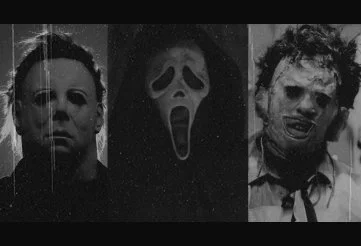
Masks aren’t frightening because they hide monsters.
They’re frightening because they hide people.
Real identity has always been messier than appearances. Which raises an interesting possibility.
Maybe the goal was never to become “normal.”
Maybe the goal was to become recognisable to yourself again.
Edward Scissorhands Was Never the Problem
If Frankenstein’s creature shows us how monsters are made…
Edward Scissorhands shows us what happens when they never were monsters to begin with.
Edward arrives in suburbia polite, gentle and desperate to belong.
He doesn’t want power.
He doesn’t want revenge.
He wants friendship.
Love.
Somewhere to fit.
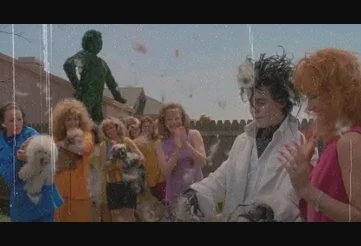
The neighbourhood welcomes him at first because he’s interesting. Different. Novel.
Until his difference becomes inconvenient.
Then suddenly the same hands everyone found fascinating become something to fear.
Nothing about Edward changed. Only people’s perception of him did.
Read that again.
Nothing about Edward changed.
The story people told themselves about him did.
It’s worth asking yourself…
How many parts of your personality have suffered the same fate?
Maybe your curiosity became “overthinking.”
Maybe your passion became “too intense.”
Maybe your independence became “cold.”
Maybe your kindness became “people-pleasing.”
Maybe your ambition became “arrogance.”
Maybe your sensitivity became “weakness.”
Same person.
Different narrative.
That’s the danger of spending your life through other people’s eyes.
Eventually you stop asking who you are…
…and start asking who they need you to become.
Every Outsider Eventually Asks the Wrong Question
There’s a moment almost every outsider reaches.
Not “How do I become happier?” Not even “How do I become confident?”
It’s this: “What’s wrong with me?”
It’s one of the saddest questions a human being can ask because it assumes the verdict has already been reached.
The trial is over. You’re guilty. Now you’re simply trying to identify the crime.
Except sometimes… there wasn’t one.
Sometimes you weren’t rejected because you were broken. You were rejected because you were different. And those are not remotely the same thing.
Society has always had an uncomfortable relationship with people who don’t fit neatly into categories.
History is full of artists…
Scientists…
Inventors…
Writers…
Thinkers…
People who were called difficult, strange, obsessive or eccentric long before anyone called them brilliant.
Difference has always been judged before it’s understood.
Horror has been quietly pointing that out for decades.
The Real Monsters Rarely Have Fangs
One of the reasons horror resonates so deeply is because it constantly asks the same question:
Who is the monster?
The creature? Or the crowd chasing it?
Take The Shape of Water.
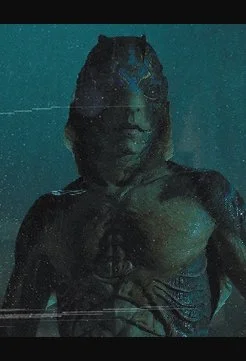
The creature isn’t the cruelest thing in the film. Human beings are.
Or Let the Right One In.
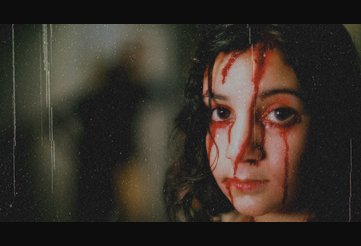
Underneath the vampire story sits something much more heartbreaking. The desperate need to be accepted by someone who sees beyond what everyone else fears.
Even The Elephant Man, although not technically horror, understands the same truth. People recoiled before they’d spoken to him. Not because of who he was. Because of what they assumed.
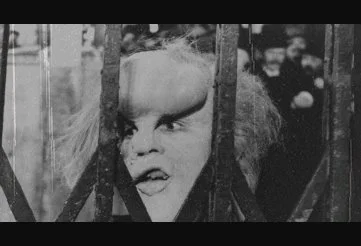
Maybe that’s why these stories endure.
Because almost everyone knows what it’s feels like to be misunderstood.
Maybe not on that scale. But enough.
Enough to remember the feeling.
Enough to wonder whether belonging always requires becoming smaller.
It doesn’t.
Stop Trying to Earn the Right to Exist
There comes a point where self-improvement quietly becomes self-erasure.
You keep sanding off another edge.
Softening another opinion.
Apologising for another part of yourself.
Trying to become easier.
Smaller.
Quieter.
More agreeable.
More normal.
Until one day you realise you’ve become incredibly easy to accept…
…and almost impossible to recognise.
That’s the trap.
Growth asks you to become more yourself.
Shame asks you to become less.
Those are completely different journeys.
One expands you.
The other edits you.
If you’ve spent years trying to become acceptable to everyone…
…you may have accidentally become invisible to yourself.
The Monster Was Never You
Maybe that’s the biggest lie we’ve ever believed.
That the goal was to become less strange.
Less emotional.
Less sensitive.
Less intense.
Less passionate.
Less you.
But horror has always known something self-help often forgets.
The outsider isn’t powerful because they finally fit in.
They’re powerful because eventually they stop asking permission to exist.
They stop trying to convince the village.
They stop auditioning for acceptance.
They stop apologising for taking up space.
Not because everyone suddenly understands them.
Because they finally understand themselves.
That’s real self-acceptance.
Not pretending you love every scar.
Not romanticising every painful chapter.
Not claiming you’d happily relive everything all over again.
It’s simply recognising that every version of you did the best it could with the information, resources and emotional survival skills it had at the time.
That awkward teenager.
That anxious adult.
That people-pleaser.
That perfectionist.
That overthinker.
That person who trusted the wrong people.
That person who pushed everyone away.
They weren’t failed versions of you.
They were survival versions of you.
And they got you here.
You don’t owe them embarrassment.
You owe them gratitude.
Final Notes
Maybe you’ve spent years trying to kill the monster.
Fix yourself.
Improve yourself.
Become someone easier to love.
Someone easier to understand.
Someone who doesn’t make other people uncomfortable.
Maybe it’s exhausting because you’ve been solving the wrong problem.
Maybe there never was a monster.
Maybe there was only a person who learned, very early on, that being different came with consequences.
So you hid.
You shrank.
You apologised.
You became an expert at editing yourself before anyone else had the chance.
Not because you were fake.
Because you were trying to survive.
But survival isn’t the same thing as living.
Eventually there comes a moment when every outsider has to decide.
Keep performing a version of yourself that earns approval… or finally meet the person who’s been waiting underneath all those edits.
Because here’s the thing about monsters.
The best horror films eventually reveal they were never frightening because they looked different.
They were frightening because everyone refused to see them clearly.
So perhaps it’s time to stop asking, “How do I become someone else?”
And start asking a much better question. “What if I’ve been enough all along?”
Because the world may have spent years convincing you that you were the monster.
That doesn’t make it true.
And if horror has taught us anything…
It’s that the creature everyone fears is often the one who deserved compassion the most.
The monster was never you.
You were never broken.
You just survived differently.
If this article made you realise you’ve been living behind a mask,
This Doesn’t Feel Like Me will help you figure out who’s underneath it.


IN ODD WE TRUST Presents
A FIELD NOTES FROM THE DARK Production
Starring YOU, the protagonist in your own psychological thriller
Produced by A LIFETIME OF QUESTIONABLE DECISIONS
Directed by EXISTENTIAL DREAD Story by THAT VOICE IN YOUR HEAD AT 3AM
Costume Design THE RESURRECTION TEE Music by DISSONANT SYNTH and REGRET
Feeling seen? You Belong with us, Join THE CULT OF ODD Your backstage pass to PSYCHOLOGICAL
SURVIVAL GUIDES, HORROR COPING RITUALS and EMOTIONALLY UNSTABLE T-SHIRTS